
Creating a 20 Problem Math Worksheet Template can be a valuable asset for teachers looking to provide structured, independent practice for their students. These worksheets are designed to help reinforce math concepts across various grade levels, making them an excellent resource for classroom use, homeschooling, or extra practice at home. This guide will delve into the practical aspects of using, customizing, and implementing these templates effectively.
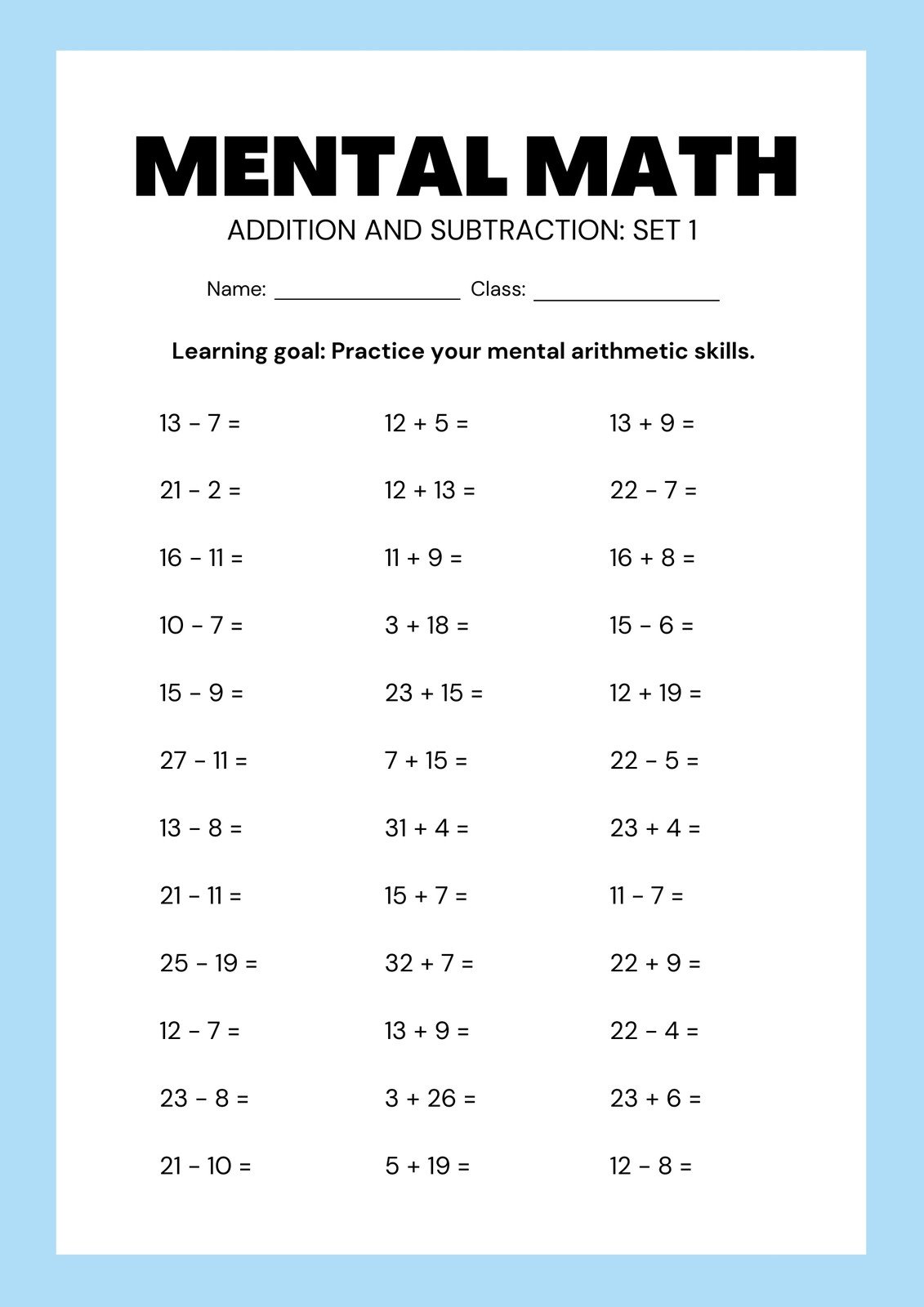
Understanding the 20 Problem Math Worksheet Template
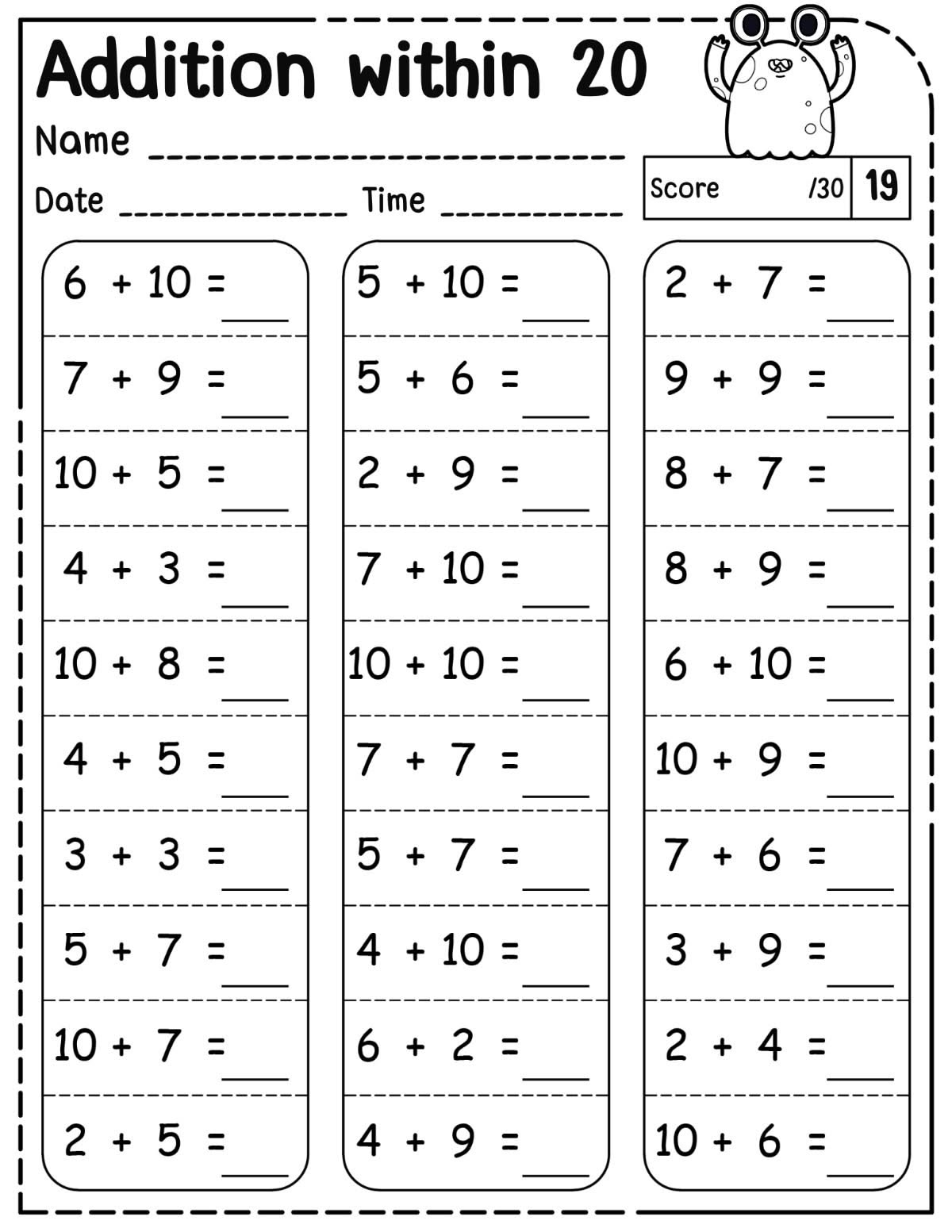
The 20 Problem Math Worksheet Template is a straightforward resource that allows you to create sheets with 20 math problems tailored to your students’ needs. You can cover various topics—addition, subtraction, multiplication, division, fractions, and more. Typically suited for students in grades 2 through 5, these worksheets can help solidify foundational math skills and encourage independent problem-solving.
When constructing your worksheet, consider the specific skills you want your students to practice. For example, if you want to focus on multiplication, you can include a mix of one-digit and two-digit problems. This flexibility makes the template an excellent tool for differentiated instruction.
Customizing Your Worksheet
One of the primary advantages of using a 20 Problem Math Worksheet Template is the ability to customize it according to your teaching goals. Here are some practical tips for tailoring the worksheet:
- Select Math Topics: Choose topics that align with your curriculum or the current unit of study. For instance, if your class is learning about fractions, include a mix of addition and subtraction problems involving fractions.
- Vary Problem Difficulty: Include a range of problem difficulties to cater to different learning levels. For example, mix simple addition problems with more complex word problems. This approach keeps all students engaged and challenged.
- Incorporate Real-World Applications: Use real-life scenarios in some problems to make math more relatable. For example, if you’re teaching percentages, you might include a problem about discounts during shopping.
- Design and Layout: The layout can significantly impact student engagement. Ensure the font is readable and the problems are spaced out well. Using larger fonts for younger students can help them focus on the problems without feeling overwhelmed.
Printing and Distributing the Worksheets
Once you’ve customized your worksheet, it’s time to print and distribute it. Here are some practical considerations for this process:
- Paper Type: For durability, consider printing on cardstock if the worksheets will be used multiple times or laminated. Standard printer paper works well for one-time use.
- Printer Settings: Adjust your printer settings according to the paper type. If using cardstock, set your printer to a thicker paper option to avoid jams.
- Color vs. Black and White: Decide whether to print in color or black and white. While color can enhance visual appeal, black and white is often more economical and still effective for worksheets.
- Distribution Methods: You can distribute the worksheets physically or digitally. If you opt for digital distribution, save the document in PDF format to maintain the layout and avoid reformatting issues.
Utilizing the Worksheets in the Classroom
Implementing the 20 Problem Math Worksheet Template in your teaching routine can enhance students’ learning experiences. Here are some strategies for effective use:
- Independent Practice: Assign the worksheets as independent practice to allow students to work at their own pace. This method helps reinforce concepts taught in class without direct supervision.
- Homework Assignments: These worksheets can be sent home as homework to provide additional practice outside of the classroom. Ensure to communicate the purpose of the assignment to both students and parents.
- Assessment Tool: Use the worksheets as informal assessments. After students complete the tasks, review their answers to gauge understanding and identify areas that need further instruction.
- Group Activities: Transform the individual worksheets into group activities by having students work collaboratively on a single sheet. This method encourages discussion and peer learning.
Adapting for Different Learning Styles
Every student has a unique learning style, and the 20 Problem Math Worksheet Template can be adapted to meet these diverse needs:
- Visual Learners: Incorporate diagrams or visual aids into some problems. For example, when teaching geometry, use shapes that students can visualize and manipulate.
- Auditory Learners: Pair the worksheet with oral instructions or discussions. Encourage students to explain their reasoning aloud while working through problems.
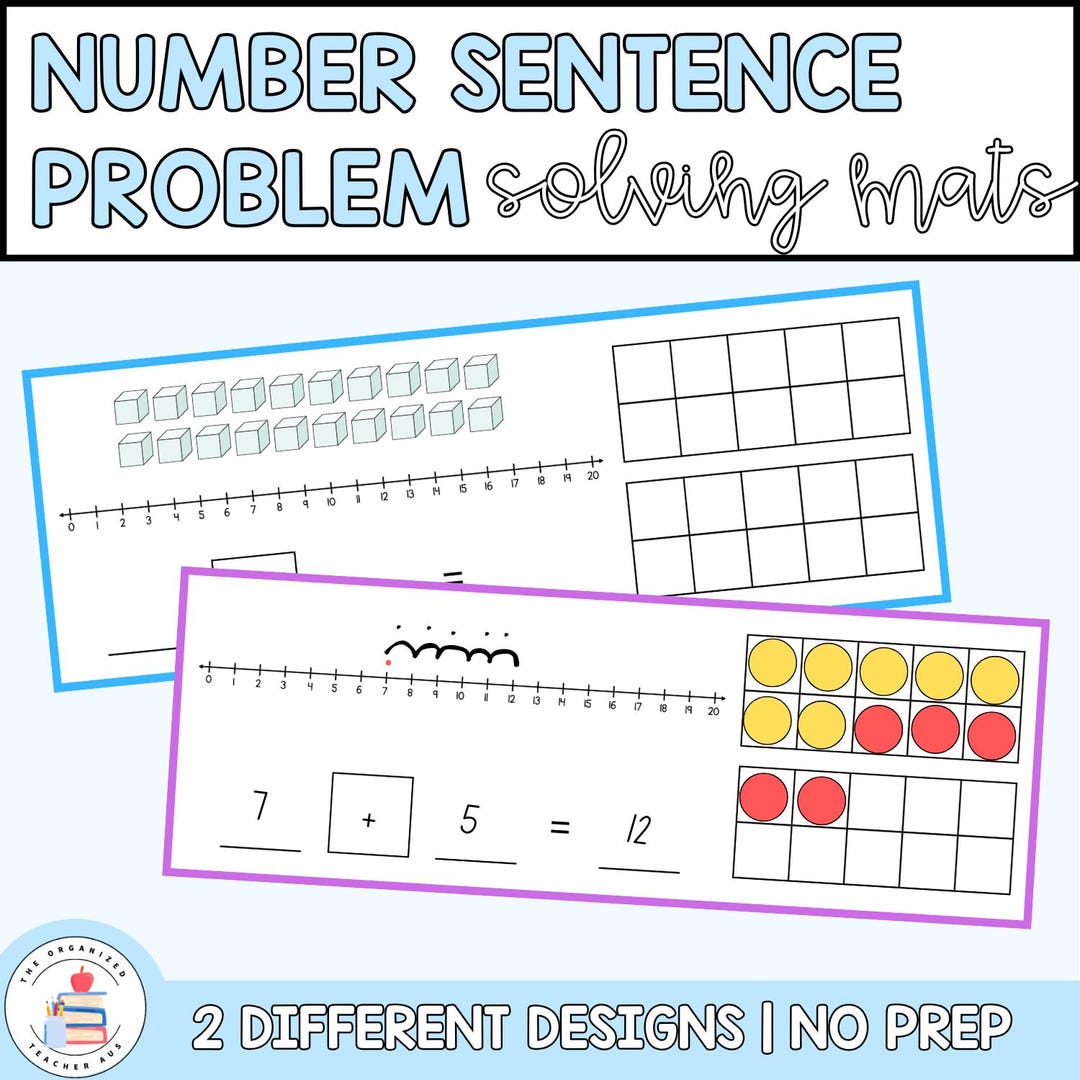
- Kinesthetic Learners: For hands-on learners, consider using manipulatives alongside the worksheet. For example, use counting blocks to help solve addition or subtraction problems.