
Teaching math to 2nd and 3rd graders can be a challenging but rewarding experience. Young learners are at a crucial stage where they begin to grasp fundamental math concepts. However, finding the right resources to support this learning journey can be daunting. 2nd And 3rd Grade Math Worksheets are an excellent solution for teachers and homeschool parents looking to enhance their students’ skills in a fun and engaging way. These worksheets can assist in reinforcing concepts learned in class and provide additional practice at home.
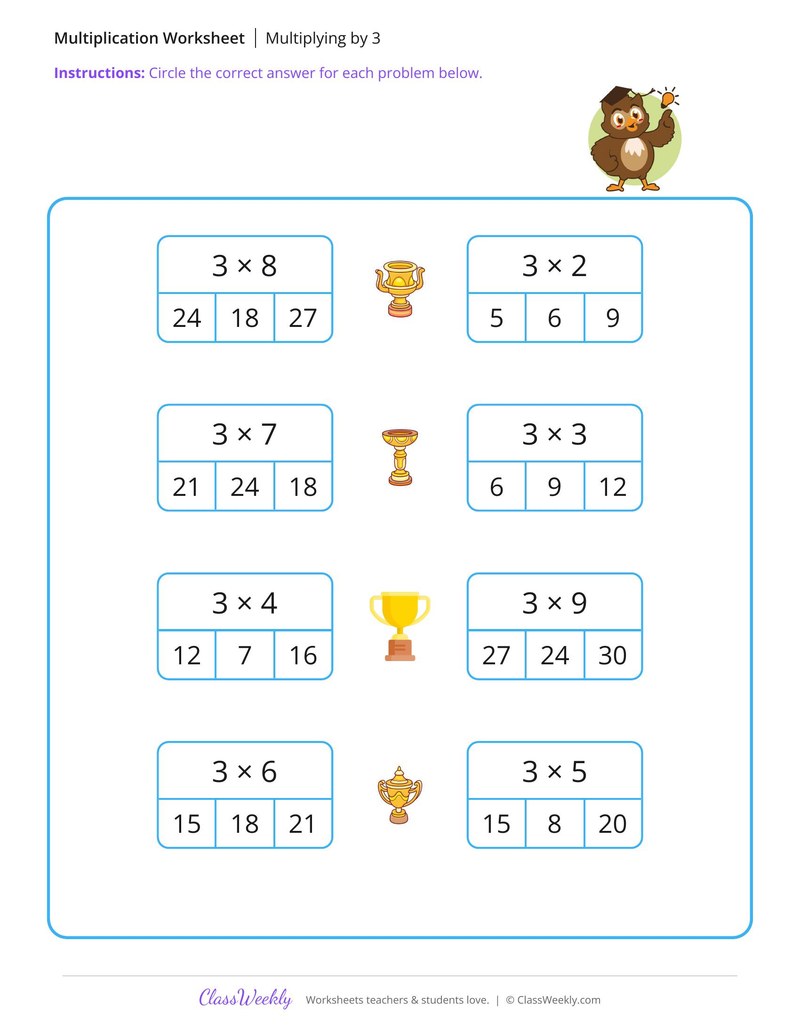
Understanding the Importance of Worksheets
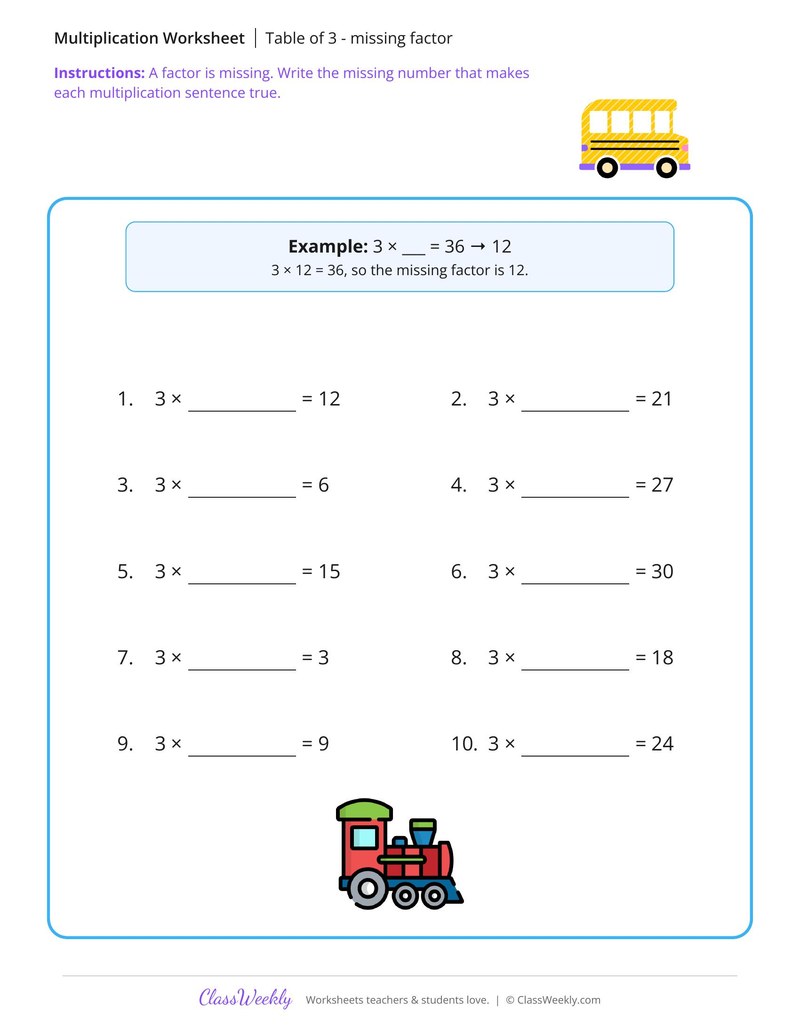
Worksheets play an essential role in the educational process. They not only provide practice but also help assess a child’s understanding of various math concepts. In 2nd and 3rd grade, students typically learn about addition, subtraction, multiplication, division, and basic geometry. Having well-structured worksheets can significantly bolster their confidence and competence in these areas.
When selecting math worksheets, ensure they align with the curriculum and focus on the specific skills your students need to develop. Look for worksheets that offer a mix of problems, including word problems, puzzles, and visual aids to cater to different learning styles.
Choosing the Right Worksheets
Not all worksheets are created equal. To maximize their effectiveness, consider the following factors when choosing 2nd and 3rd grade math worksheets:
- Grade Appropriateness: Ensure the worksheets are tailored to the specific grade level. Worksheets designed for 3rd graders may be too advanced for 2nd graders and vice versa.
- Variety of Problems: A good worksheet should include a mix of question types, such as multiple-choice, fill-in-the-blank, and open-ended questions. This variety keeps students engaged and allows them to explore concepts from different angles.
- Visual Elements: Incorporate worksheets with colorful graphics and illustrations. Visual aids can help students better understand mathematical concepts, especially for visual learners.
- Answer Keys: Worksheets with answer keys can save time for teachers and parents, allowing for quick assessment of a child’s understanding.
- Customization Options: Some resources allow for customizable worksheets, enabling you to tailor the content to meet the specific needs of your students.
Downloading and Printing Worksheets
Once you have selected the right 2nd and 3rd grade math worksheets, the next step is to download and print them. Here’s a useful guide:
- File Format: Most worksheets are available in PDF format, which is ideal as it preserves the layout and ensures that the printed version looks exactly as intended.
- Paper Size: Use standard letter size (8.5 x 11 inches) for easy printing. If you’re using a different size printer, make sure to adjust the settings accordingly.
- Printer Settings: Check your printer settings before printing. Portrait orientation works best for worksheets, and consider using quality paper to ensure durability, especially if they will be reused.
- Laminating: For worksheets that will be used repeatedly, consider laminating them. This makes them more durable and allows for dry-erase markers to be used, making them reusable.
Setting Up for Success
After printing, it’s time to set up the worksheets for use in the classroom or at home. Here are some practical steps to ensure a smooth experience:
- Organize Worksheets: Create a binder or folder to keep all worksheets organized. This makes it easy to find and distribute them when needed.
- Introduce the Concepts: Before handing out worksheets, briefly explain the math concepts being practiced. This helps students understand the purpose of the exercises and how they relate to their lessons.
- Group Activities: Consider using worksheets for group activities. Students can work together to solve problems, fostering collaboration and discussion.
- Monitor Progress: As students complete their worksheets, take the time to monitor their progress. Provide support and clarification as needed, and encourage them to ask questions.
- Feedback: Once the worksheets are completed, give constructive feedback. Highlight what they did well and areas for improvement, reinforcing a positive learning environment.
Making Learning Fun
Incorporating fun elements into math practice can significantly enhance student engagement. Here are some ideas to make 2nd and 3rd grade math worksheets more enjoyable:
- Incorporate Themes: Use seasonal or holiday-themed worksheets to make learning more relevant and exciting.
- Gamify the Experience: Turn worksheet activities into games. For instance, create a timed challenge where students race to complete problems correctly.
- Reward Systems: Implement a reward system for completed worksheets. Simple rewards, such as stickers or extra recess time, can motivate students to engage more fully with the material.
- Interactive Elements: Consider worksheets that include puzzles or riddles that require mathematical problem-solving to find the answers.
Evaluating Effectiveness
After using the worksheets, it’s important to evaluate their effectiveness. Here are some ways to assess how well the worksheets supported learning:
- Student Performance: Review the completed worksheets to identify common errors or areas where students struggled. This will help you understand which concepts may need further reinforcement.
- Feedback from Students: Ask students for their thoughts on the worksheets. Did they find them engaging? Were the instructions clear? Their feedback can help you choose better resources in the future.
- Adjust Future Lessons: Use the insights gained from evaluating worksheet performance to adjust your teaching strategies and future lesson plans.
The best part of using 2nd and 3rd grade math worksheets is the immediate impact they can have on student learning. With the right resources, students can build their confidence and skills, preparing them for more advanced math concepts in the future.
A particularly effective approach is to integrate worksheets with real-life applications, such as budgeting or measuring. This not only makes math relevant but also enhances comprehension.
By focusing on these strategies, educators can create an enriching learning environment that supports young mathematicians in their educational journey.