
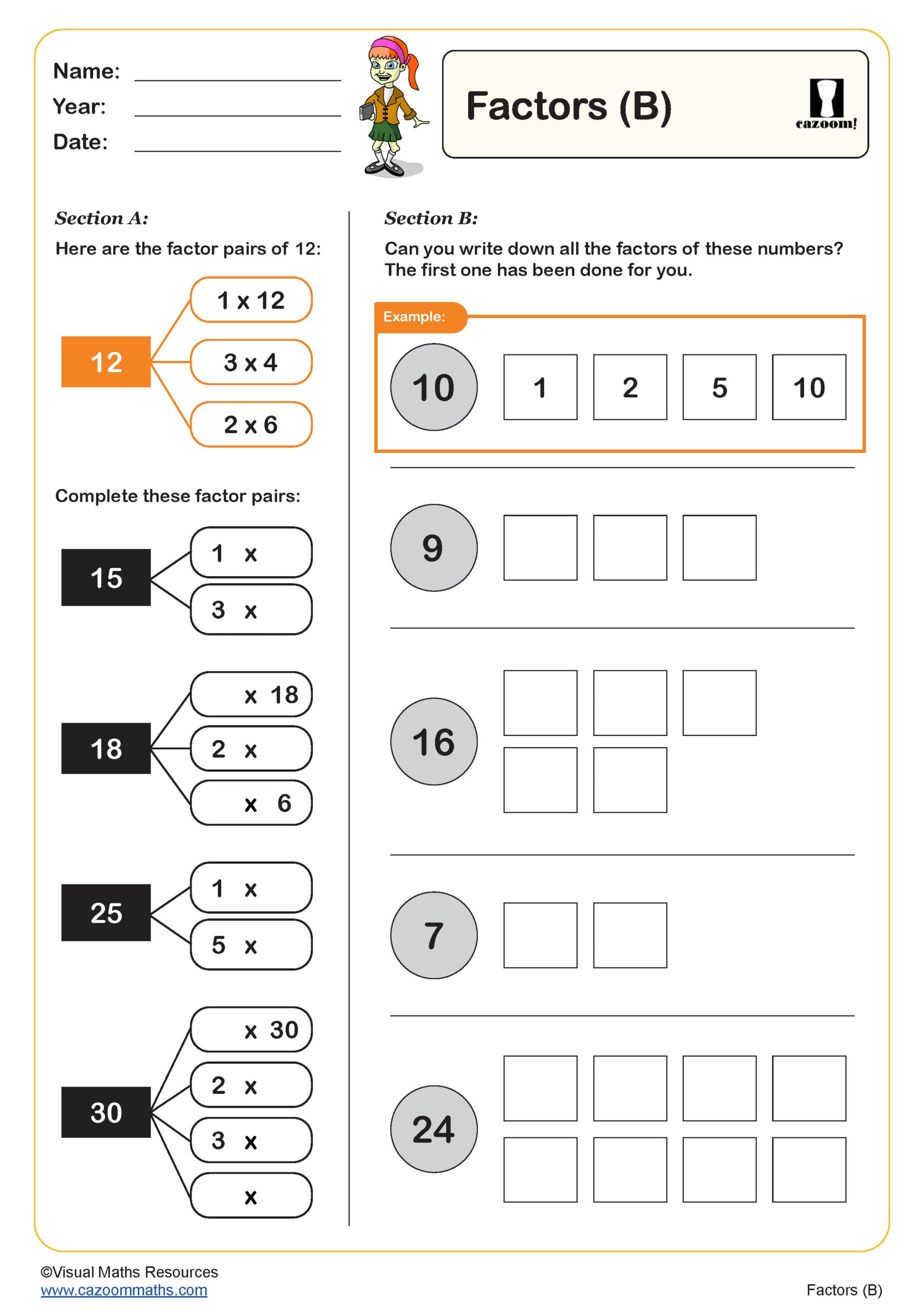
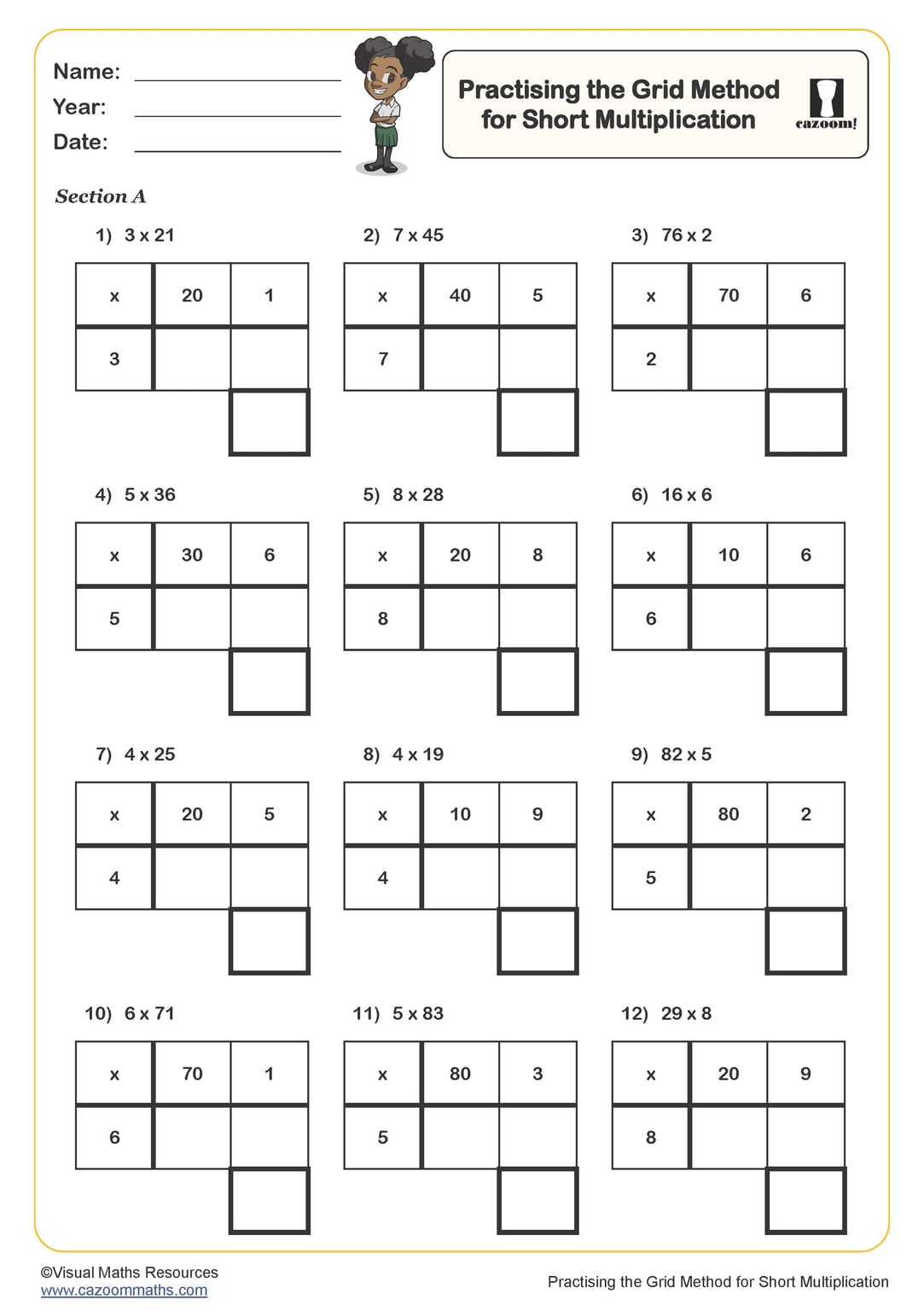
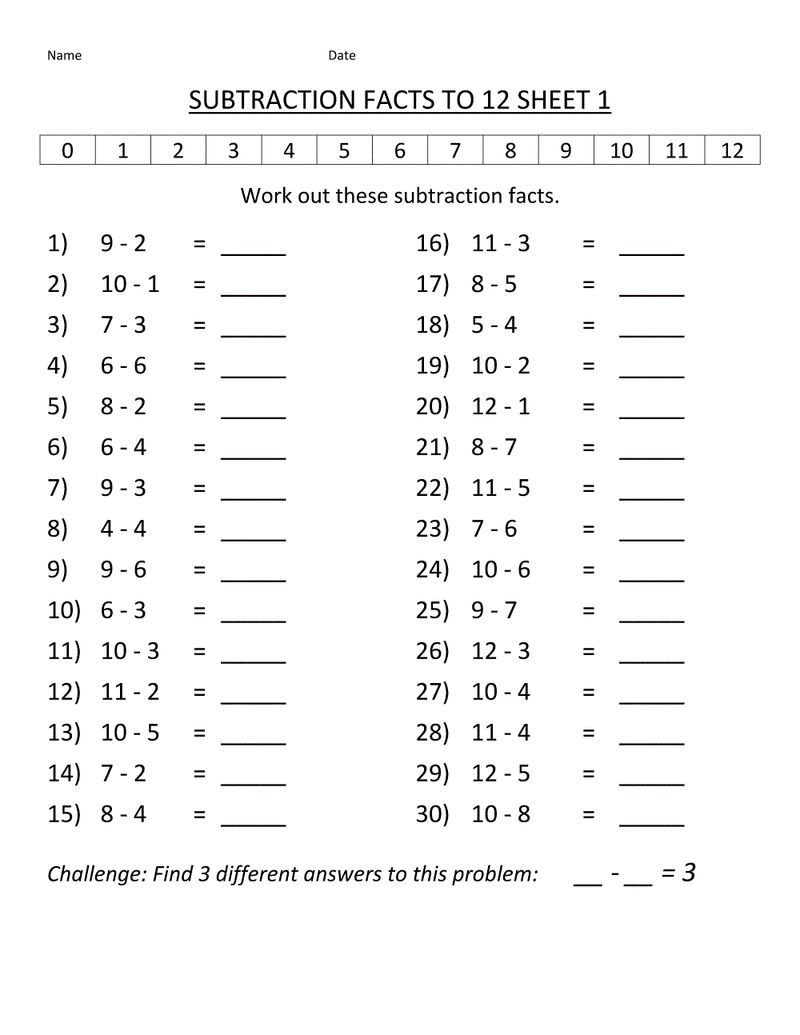
Key Stage Two Maths Worksheets are essential tools for teachers aiming to reinforce mathematical concepts in a structured and engaging way. These worksheets cater to students aged 7 to 11, typically covering Year 3 to Year 6 of the National Curriculum. By using these resources, you can provide your students with the practice they need to master key maths skills, from addition and subtraction to geometry and statistics.
Selecting the Right Worksheets
When choosing Key Stage Two Maths Worksheets, it’s crucial to align them with the specific learning objectives you have for your class. Consider the following factors:
- Curriculum Alignment: Ensure that the worksheets correspond with the National Curriculum requirements for Key Stage Two. Look for worksheets that target the areas your students are currently studying.
- Skill Levels: Assess the varying abilities within your classroom. Some students may excel in certain areas while struggling in others. Select worksheets that offer a range of difficulty levels to cater to all learners.
- Engagement: Opt for worksheets that incorporate fun themes or scenarios. Worksheets that feature characters or storylines can make maths more relatable and enjoyable for children.
By carefully selecting the right worksheets, you’ll set your students up for success and help them grasp important mathematical concepts.
Downloading and Printing Worksheets
Once you’ve identified the worksheets that best suit your teaching needs, the next step is to download and print them. Here’s a simple workflow:
- Download the Files: Most Key Stage Two Maths Worksheets are available in PDF format, which is ideal for maintaining formatting across different devices. Click the download link and save the file to your computer.
- Check Printer Settings: Before printing, ensure your printer settings are adjusted for the best quality output. For standard worksheets, A4 size paper typically works best. If you plan to use colored worksheets, consider using a color printer to enhance visual appeal.
- Print a Test Page: It’s often wise to print one test page to check the clarity and layout. This helps avoid wasting paper on poorly formatted pages.
Following these steps will help you efficiently prepare the worksheets for classroom use.
Setting Up for Effective Use
Preparation is key to making the most of Key Stage Two Maths Worksheets. Here are some strategies to help you implement these resources effectively in your classroom:
- Group Work: Consider dividing students into small groups to work on different worksheets. This encourages collaboration and allows students to learn from each other.
- Incorporate Technology: If you have access to tablets or computers, you can also have students work on digital versions of the worksheets. This can be particularly engaging and allows for immediate feedback.
- Provide Instructions: Before handing out the worksheets, clearly explain the objectives of the activity. This ensures that students understand what is expected of them and can focus on the task at hand.
Setting a positive tone and clear expectations will enhance the learning experience for your students.
Tracking Progress and Feedback
Using Key Stage Two Maths Worksheets is not just about completing tasks; it’s also about tracking progress and providing feedback. Here’s how to do that effectively:
- Marking and Assessment: After students complete their worksheets, take the time to go through their answers. Providing timely feedback helps students understand their mistakes and learn from them.
- Use as Assessment Tools: These worksheets can serve as informal assessments to gauge understanding. Identify common areas of struggle and adjust your teaching approach accordingly.
- Encourage Self-Assessment: Teach students to review their own work and identify areas where they need improvement. This builds their independence and critical thinking skills.
By actively tracking progress, you can adapt your teaching methods to better support your students’ learning journeys.
Creative Extensions and Variations
To keep students engaged, consider incorporating creative extensions or variations to the Key Stage Two Maths Worksheets. Here are some ideas:
- Maths Games: Transform worksheet content into games. For example, you could create a bingo game using answers from the worksheets or set up a maths scavenger hunt based on problems they’ve solved.
- Cross-Curricular Links: Connect maths with other subjects. For instance, incorporate art by having students create their own word problems based on illustrations or stories they’ve read.
- Real-Life Applications: Encourage students to apply their maths skills to real-world scenarios. Have them create budgets for a class event or plan a simple project that requires measurements.
These creative extensions will not only reinforce maths skills but also make learning more enjoyable and relevant.
Immediate Actionable Tip
To kickstart your use of Key Stage Two Maths Worksheets, choose a specific topic your class is currently learning about and download a set of worksheets that align with it. Prepare these for your next class, ensuring to communicate the learning objectives clearly to your students. This immediate step will enhance your lesson planning and provide your students with valuable practice.