
Teaching math to 8-year-olds can be a rewarding yet challenging experience. At this age, children are typically in the third grade, and they are ready to tackle more complex concepts. Maths For 8 Year Olds Worksheets are an excellent resource to enhance their understanding and keep their learning engaging. Whether you’re a teacher or a parent, these worksheets can provide a structured way to help kids practice essential math skills.
Understanding the Importance of Worksheets
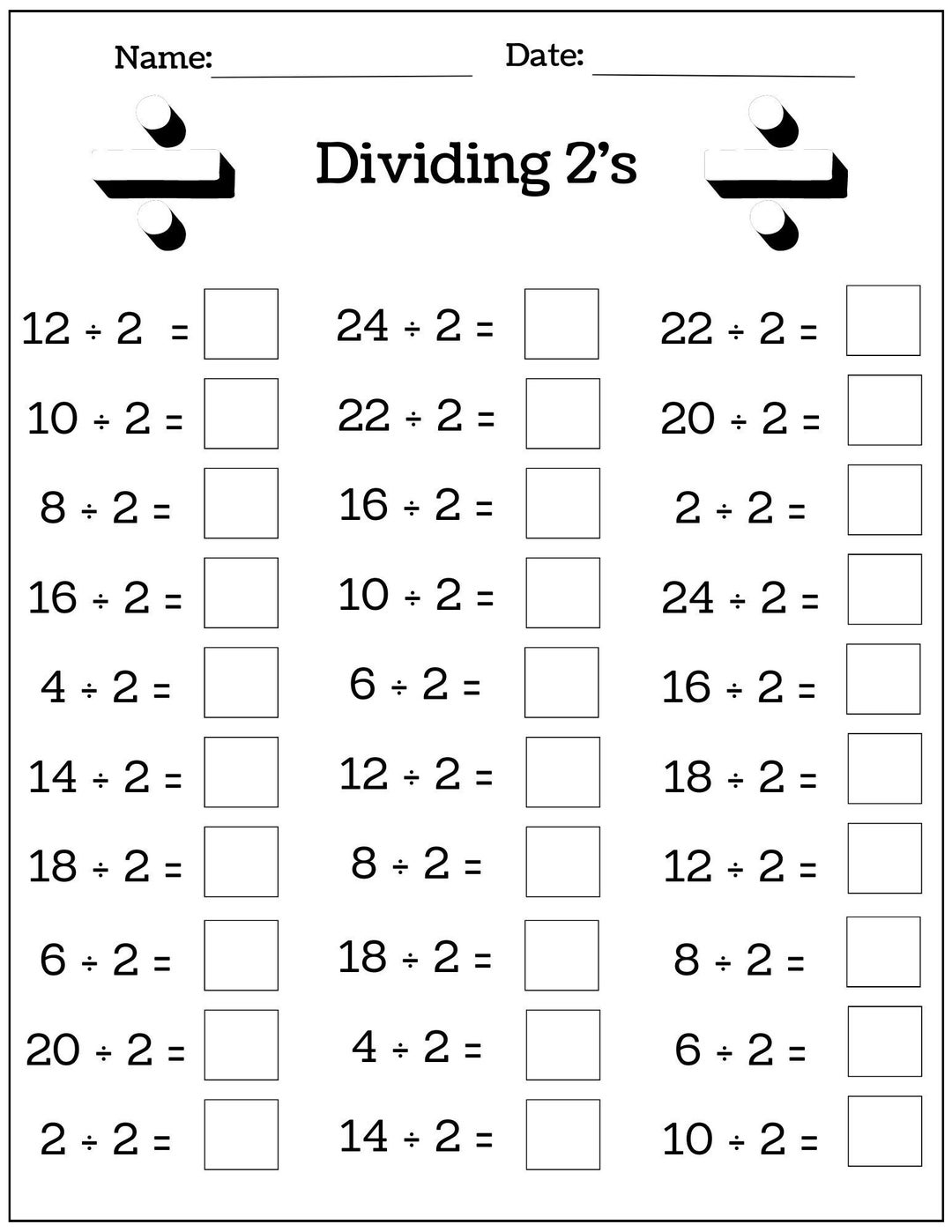
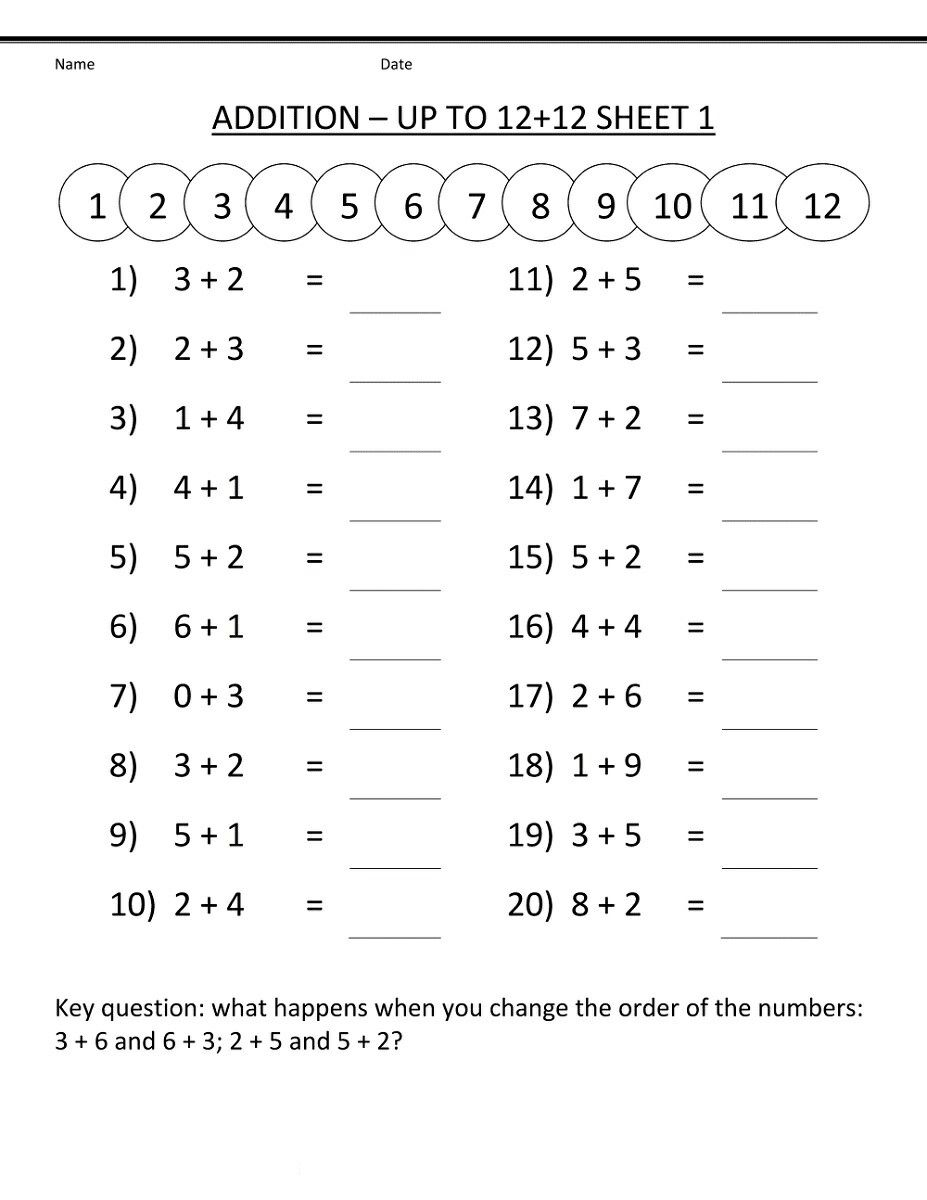
Worksheets play a crucial role in reinforcing the concepts taught in the classroom. They offer kids the opportunity to practice independently, allowing them to solidify their understanding. For 8-year-olds, worksheets can cover a variety of topics, such as addition, subtraction, multiplication, division, fractions, and even introductory geometry.
When selecting Maths For 8 Year Olds Worksheets, it’s essential to choose those that are age-appropriate and cater to the curriculum your students are following. This ensures that the skills being practiced are relevant and beneficial for their learning progression.
Types of Maths Worksheets Available
There are various types of Maths For 8 Year Olds Worksheets that you can find online. Here are some common formats:
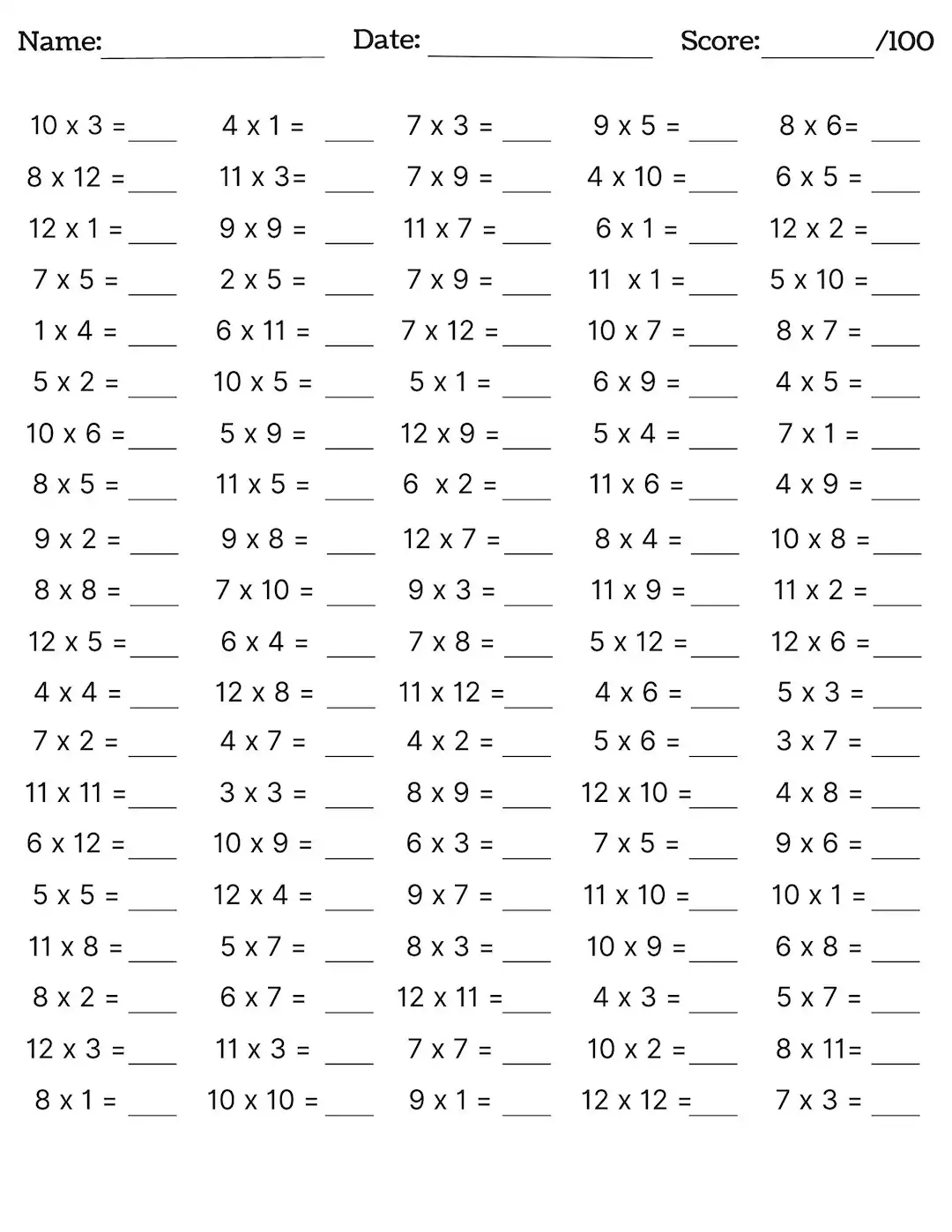
- Basic Operations: Worksheets focusing on addition, subtraction, multiplication, and division with varying levels of difficulty.
- Word Problems: These require students to apply their math skills to real-world scenarios, improving their critical thinking.
- Fractions: Worksheets that introduce concepts of fractions, including addition, subtraction, and comparing fractions.
- Geometry: Basic shapes, area, and perimeter worksheets help students understand spatial relationships.
- Patterns and Sequences: These worksheets encourage students to identify and create patterns, a foundational skill in mathematics.
How to Use Worksheets Effectively
To maximize the effectiveness of Maths For 8 Year Olds Worksheets, consider the following practical tips:
- Assessment: Before handing out worksheets, assess the students’ current understanding. This will help you choose the right level of difficulty.
- Group Work: Encourage students to work in pairs or small groups. This fosters collaboration and allows them to discuss their thought processes.
- Feedback: Provide immediate feedback after they complete the worksheets. Discussing mistakes and correct answers helps reinforce learning.
- Incorporate Technology: If possible, use digital versions of the worksheets. Many students respond well to interactive formats, which can make learning more engaging.
- Regular Practice: Make worksheets a regular part of your teaching routine. Consistent practice is key to mastering math skills.
Where to Find Printable Worksheets
Finding Maths For 8 Year Olds Worksheets is easier than ever, thanks to a variety of online resources. Here are some reliable platforms where you can download and print worksheets:
- Educational Websites: Sites like Teachers Pay Teachers, Education.com, and Twinkl offer a variety of worksheets tailored for different grade levels. Many are free, while others may require a small fee.
- Printable Resource Sites: Websites dedicated to providing free printable resources often have a section specifically for math worksheets.
- School District Resources: Many school districts provide access to curriculum-aligned worksheets that can be downloaded directly from their websites.
When searching for worksheets, pay attention to reviews and ratings to ensure quality.
Customizing Worksheets for Your Students
Sometimes, the best approach is to customize Maths For 8 Year Olds Worksheets to better suit your classroom needs. Here are a few ways to do that:
- Adjust Difficulty: If you find a worksheet that’s nearly perfect but too easy or hard, consider modifying the numbers or the complexity of the problems.
- Add Visuals: Incorporating images or graphics can help engage students, especially those who are visual learners.
- Combine Topics: Create worksheets that cover multiple topics in one session. For example, combine basic multiplication with word problems to provide a comprehensive review.
Tips for Printing and Using Worksheets
When you’re ready to print your selected worksheets, keep these practical tips in mind:
- Paper Size: Most worksheets are designed for standard letter size (8.5 x 11 inches), which is ideal for home printers. Check that your printer settings are adjusted accordingly.
- Quality: Use good-quality paper, especially if you plan to laminate the worksheets for repeated use. Cardstock is a durable option that holds up well.
- Landscape vs. Portrait: Depending on the layout of the worksheet, portrait orientation is common, but some may be better suited for landscape for easier readability.
- Color vs. Black and White: If printing in color, ensure your ink levels are sufficient. Black and white prints work well for most worksheets, and they save on ink costs.
Engaging Activities Beyond Worksheets
While worksheets are valuable, incorporating other engaging activities can enhance students’ learning experiences. Here are a few ideas:
- Math Games: Use board games or digital games that require math skills. Games can make learning feel less like work and more like play.
- Hands-On Activities: Use manipulatives like blocks or counters to give a tactile element to math learning, making abstract concepts more concrete.
- Real-World Applications: Encourage students to use math in everyday situations, such as budgeting for a class party or measuring ingredients for a recipe.
By providing a variety of learning experiences, you can help solidify the concepts taught in the worksheets and make math a subject that your students enjoy.
Final Quick Tip
When selecting or creating Maths For 8 Year Olds Worksheets, always keep your students’ interests and levels in mind. Engaging them with relevant content will foster a positive learning environment. Consider integrating colorful designs or themes they enjoy to make the worksheets more inviting.