
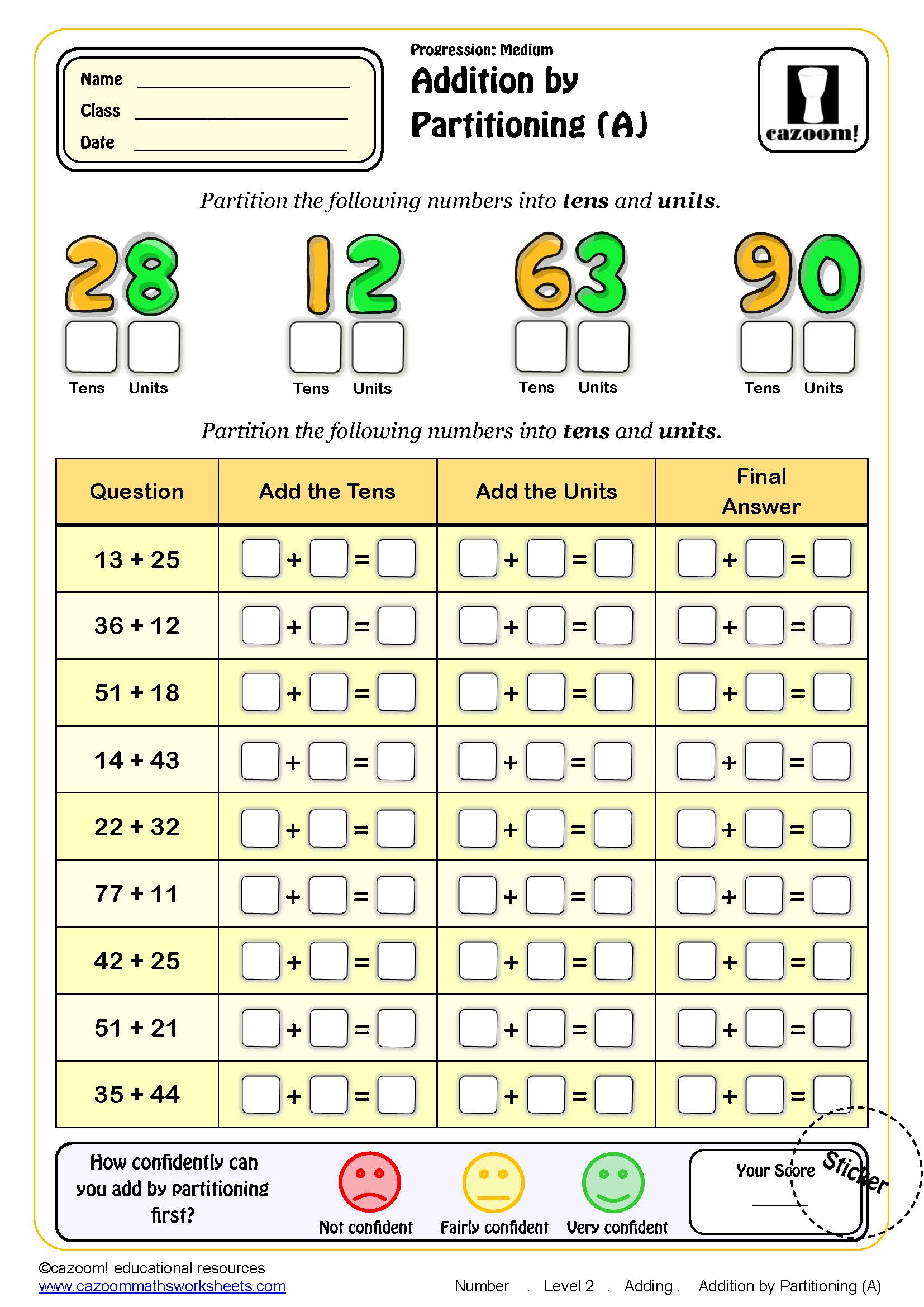
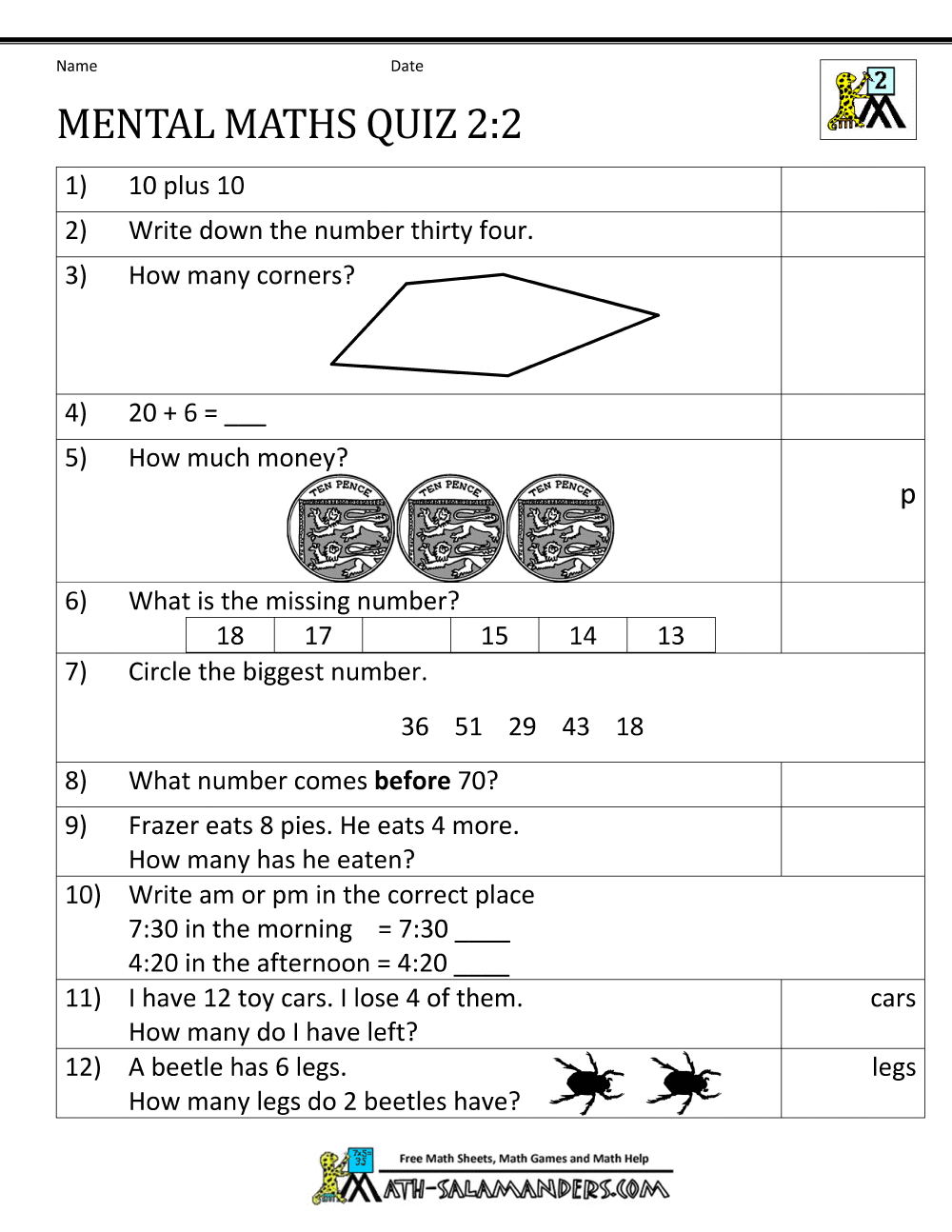
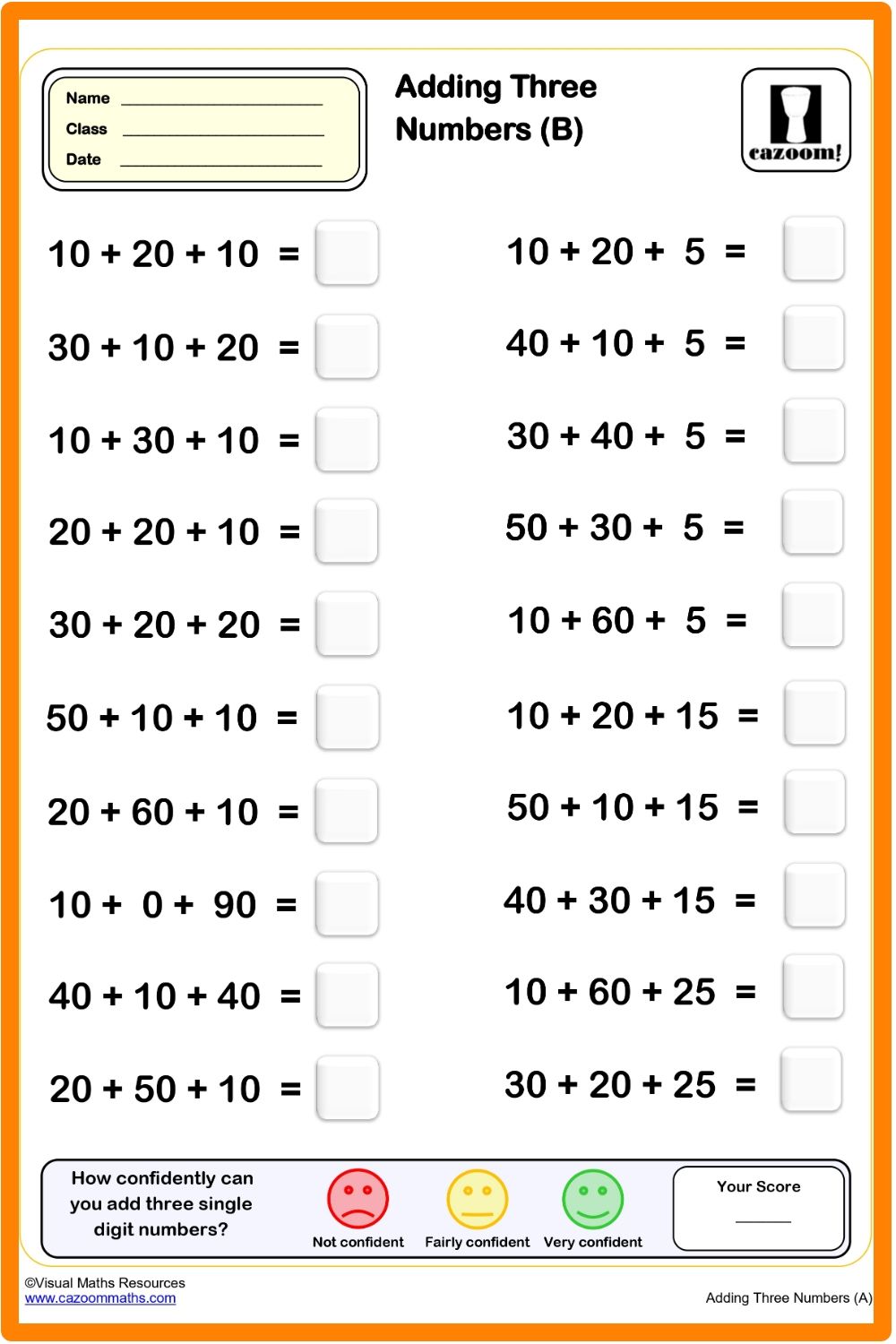
When teaching young learners, keeping them engaged and motivated can be a challenge. The right resources can make all the difference, especially when it comes to math. Printable Year 2 Maths Worksheets provide an accessible way for educators to offer tailored practice that meets their students’ needs. These worksheets can support various math skills, from addition and subtraction to basic geometry, helping teachers track progress effectively.
Understanding Year 2 Maths Curriculum
Before diving into the use of printable worksheets, it’s essential to understand what Year 2 students are expected to learn in mathematics. The curriculum generally includes:
- Number recognition: Understanding numbers up to 100.
- Basic operations: Addition and subtraction with single and double-digit numbers.
- Fractions: Introduction to basic fractions like halves and quarters.
- Measurement: Understanding length, weight, and volume.
- Geometry: Recognizing 2D and 3D shapes.
Familiarizing yourself with these topics will help you select the most effective worksheets for your class.
Choosing the Right Worksheets
Selecting the appropriate worksheets can significantly impact student learning. When searching for Printable Year 2 Maths Worksheets, consider the following:
- Skill Level: Ensure the worksheets match your students’ current abilities. If they are struggling with basic addition, opt for worksheets that focus specifically on that skill.
- Variety of Topics: Choose worksheets that cover a range of topics. This not only keeps students engaged but also reinforces their learning across different areas.
- Visual Appeal: Worksheets with colorful graphics and engaging formats can capture students’ attention better than plain black-and-white sheets.
By thoughtfully selecting worksheets, you set the stage for effective learning experiences.
Downloading and Printing Worksheets
Once you have identified the right worksheets, the next step is to download and print them. Here’s how to do it effectively:
- Find a Trusted Source: Look for reputable websites that offer quality educational resources. Ensure that the worksheets are designed specifically for Year 2 maths.
- Check the Format: Most worksheets will be available in PDF format. This format is ideal as it preserves the layout and ensures that everything prints correctly, avoiding reformatting issues.
- Adjust Print Settings: When printing, use the following settings for best results:
- Paper Size: Standard A4 size is usually suitable.
- Orientation: Most worksheets are designed in portrait layout, which works well for home printers.
- Quality: Set your printer to high quality for clear, readable worksheets.
- Print a Test Page: Before printing a large batch, print one page to ensure everything looks good.
Following these steps will ensure that your worksheets are ready for use without any hitches.
Organizing Worksheets for Classroom Use
After printing, it’s time to organize the worksheets for easy access during lessons. Here are some practical tips:
- Binder System: Use binders to categorize worksheets by topic. This makes it easy for you to find materials when needed.
- Daily/Weekly Packs: Prepare packs of worksheets for daily or weekly use. This helps in planning and ensures students have consistent practice without overwhelming them.
- Digital Backups: Keep digital copies of the worksheets on your computer or cloud service. This ensures that you can access them anytime, even if you need to reprint.
Having a well-organized system not only saves time but also enhances the learning experience for your students.
Incorporating Worksheets Into Lessons
Now that you have your worksheets ready, think about how to incorporate them into your lessons. Here are some strategies:
- Warm-Up Activities: Use worksheets as a warm-up exercise at the beginning of each class. This can help reinforce previous lessons and prepare students for new material.
- Independent Practice: After teaching a new concept, give students worksheets to complete independently. This allows you to assess their understanding and identify areas that need further instruction.
- Group Work: Consider using worksheets for group activities. Students can work together to solve problems, fostering collaboration and discussion.
- Homework Assignments: Assign worksheets as homework to reinforce skills learned in class. This will help students practice at their own pace.
Integrating these resources into your teaching routine will enhance students’ understanding and retention of mathematical concepts.
Tracking Student Progress
One of the significant advantages of using Printable Year 2 Maths Worksheets is the ability to track student progress effectively. Here’s how to do it:
- Regular Assessments: After students complete worksheets, review their answers and provide feedback. This helps you gauge their understanding and adjust your teaching methods accordingly.
- Record Keeping: Keep a record of students’ scores over time. This will help you identify trends in their learning and areas where they may need additional support.
- Set Goals: Encourage students to set personal goals based on their worksheet performance. This can motivate them to improve and take ownership of their learning.
By systematically tracking progress, you’ll be better equipped to support each student’s learning journey.
Final Tips for Effective Use of Worksheets
To make the most out of your Printable Year 2 Maths Worksheets, consider these additional tips:
- Engage Parents: Share worksheets with parents to encourage learning at home. This involvement can reinforce concepts and support students’ education.
- Be Flexible: Adapt worksheets as needed. If a particular activity isn’t resonating with your students, don’t hesitate to modify it or choose a different one.
- Celebrate Success: Recognize improvements and milestones. Celebrating achievements, no matter how small, can boost students’ confidence and enthusiasm for learning.
With these strategies in place, you can maximize the effectiveness of your printable worksheets, making math an enjoyable and rewarding experience for your Year 2 students.