
Using Read Write Draw Math Worksheets can be a game-changer in your classroom. These resources cater to various learning styles and help students grasp math concepts through a combination of writing, drawing, and problem-solving. They not only engage students but also provide a multifaceted approach to learning, making math more enjoyable and less intimidating.
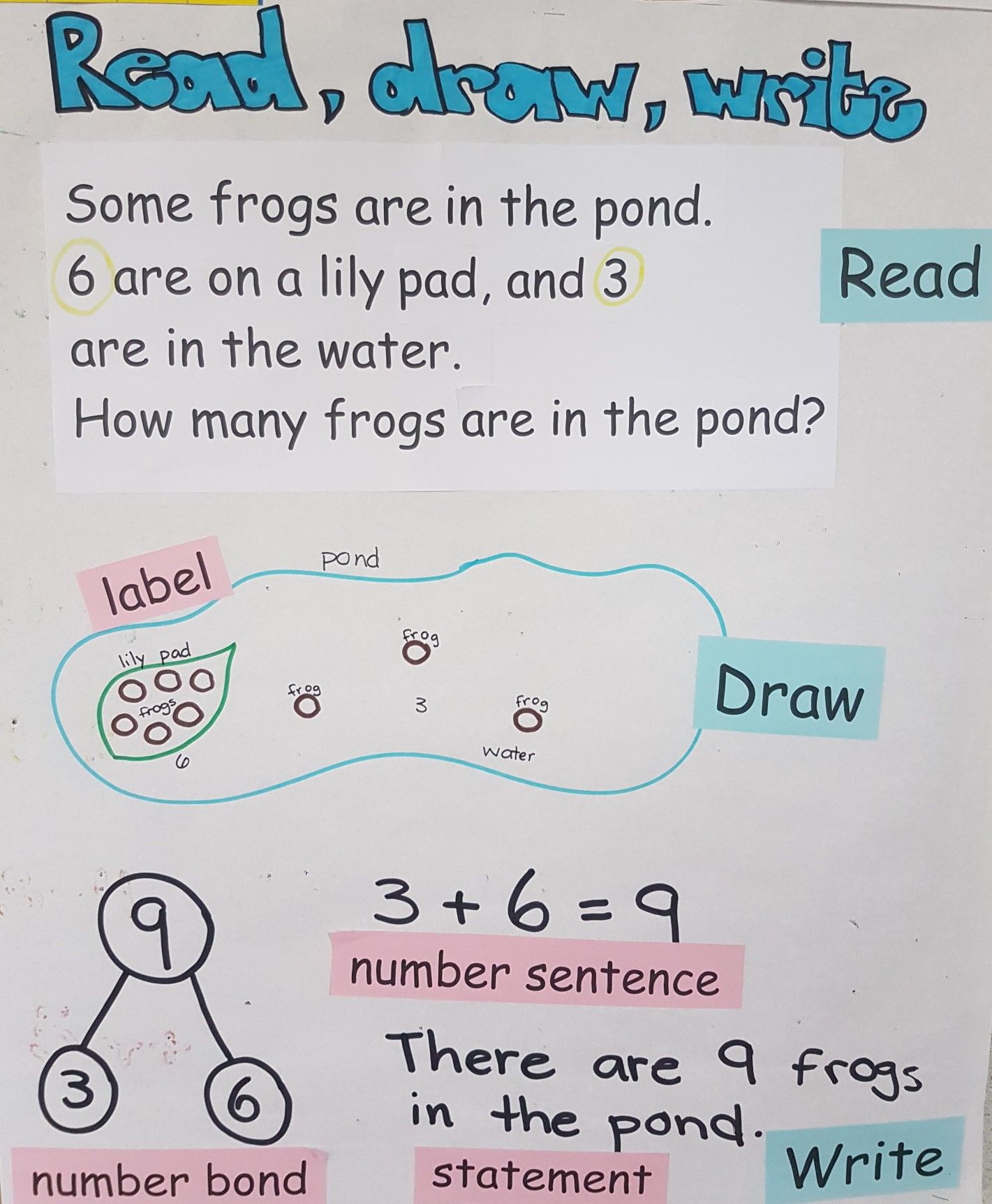
Understanding Read Write Draw Math Worksheets
Read Write Draw Math Worksheets are designed for elementary and early middle school students. They encourage learners to read math problems, write their solutions, and draw representations of their understanding. This method is particularly effective for students who struggle with traditional math instruction, as it allows them to express their understanding in a more creative and visual manner.
When selecting worksheets, consider the following factors:
- Grade Level: Ensure the worksheets are appropriate for the age and skill level of your students.
- Math Concepts Covered: Look for resources that align with your curriculum and the specific math skills you are teaching.
- Flexibility: Choose worksheets that allow for differentiation, enabling you to cater to varied learning needs within your classroom.
Benefits of Using Read Write Draw Math Worksheets
Incorporating these worksheets into your lessons offers numerous advantages:
- Enhanced Engagement: The interactive nature of these worksheets keeps students actively involved in their learning. By combining reading, writing, and drawing, students can approach math problems from different angles.
- Improved Understanding: Visual representations can help clarify complex concepts. When students draw out their ideas, they often gain a deeper understanding of the material.
- Encouragement of Critical Thinking: These worksheets encourage students to think critically about how to represent their solutions. They must analyze problems and decide the best way to express their understanding.
- Tracking Progress: You can use students’ completed worksheets to assess their understanding and track their progress over time. This feedback is invaluable for both you and your students.
How to Implement Read Write Draw Math Worksheets in Your Classroom
Implementing these worksheets effectively requires some planning. Here are steps to help you get started:
1. Select Appropriate Worksheets
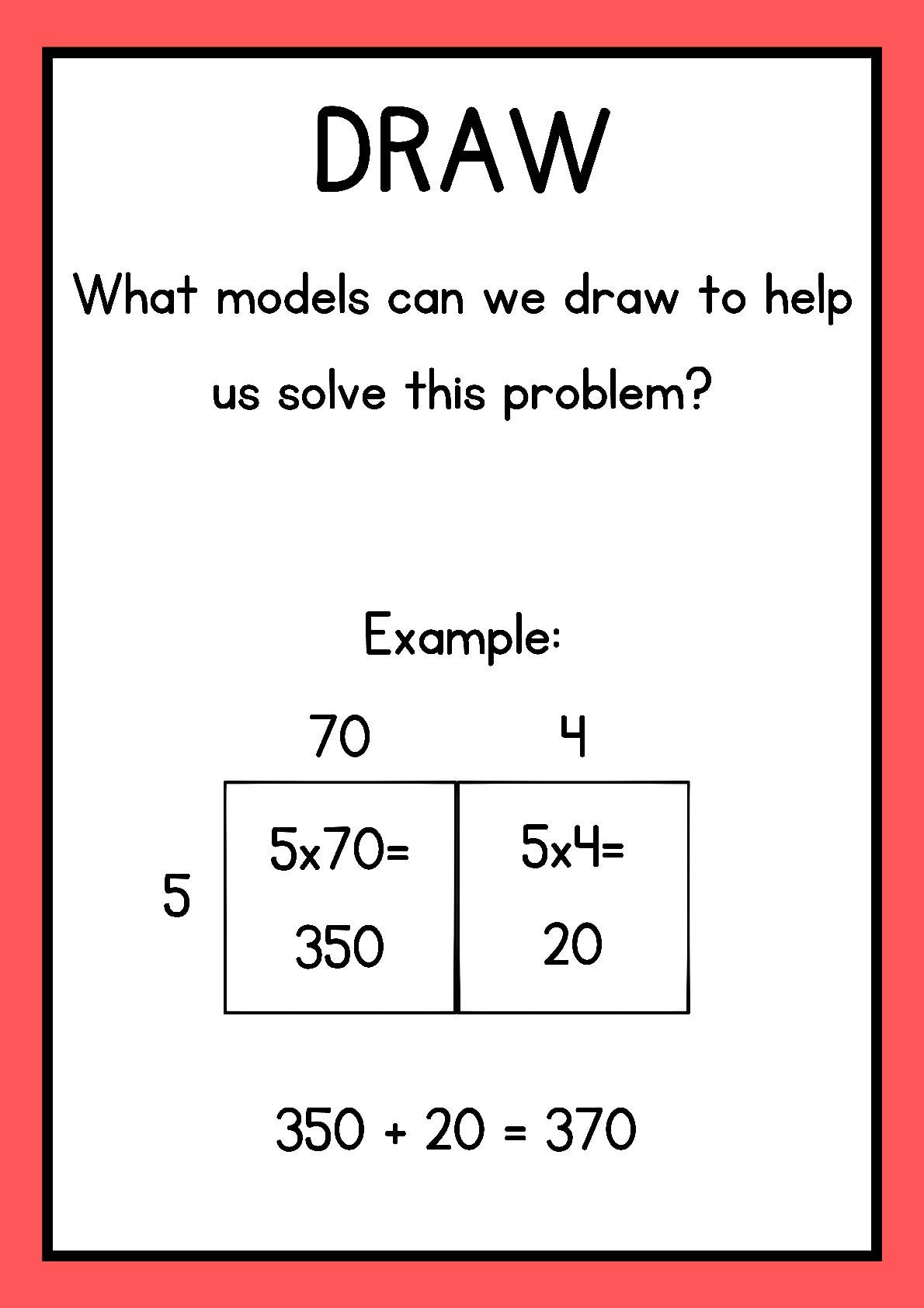
Begin by choosing worksheets that align with your lesson objectives. Look for resources that cover essential math topics such as addition, subtraction, multiplication, and problem-solving. Ensure the worksheets are clear and easy to understand, with space for students to write their answers and draw their representations.
2. Introduce the Concept
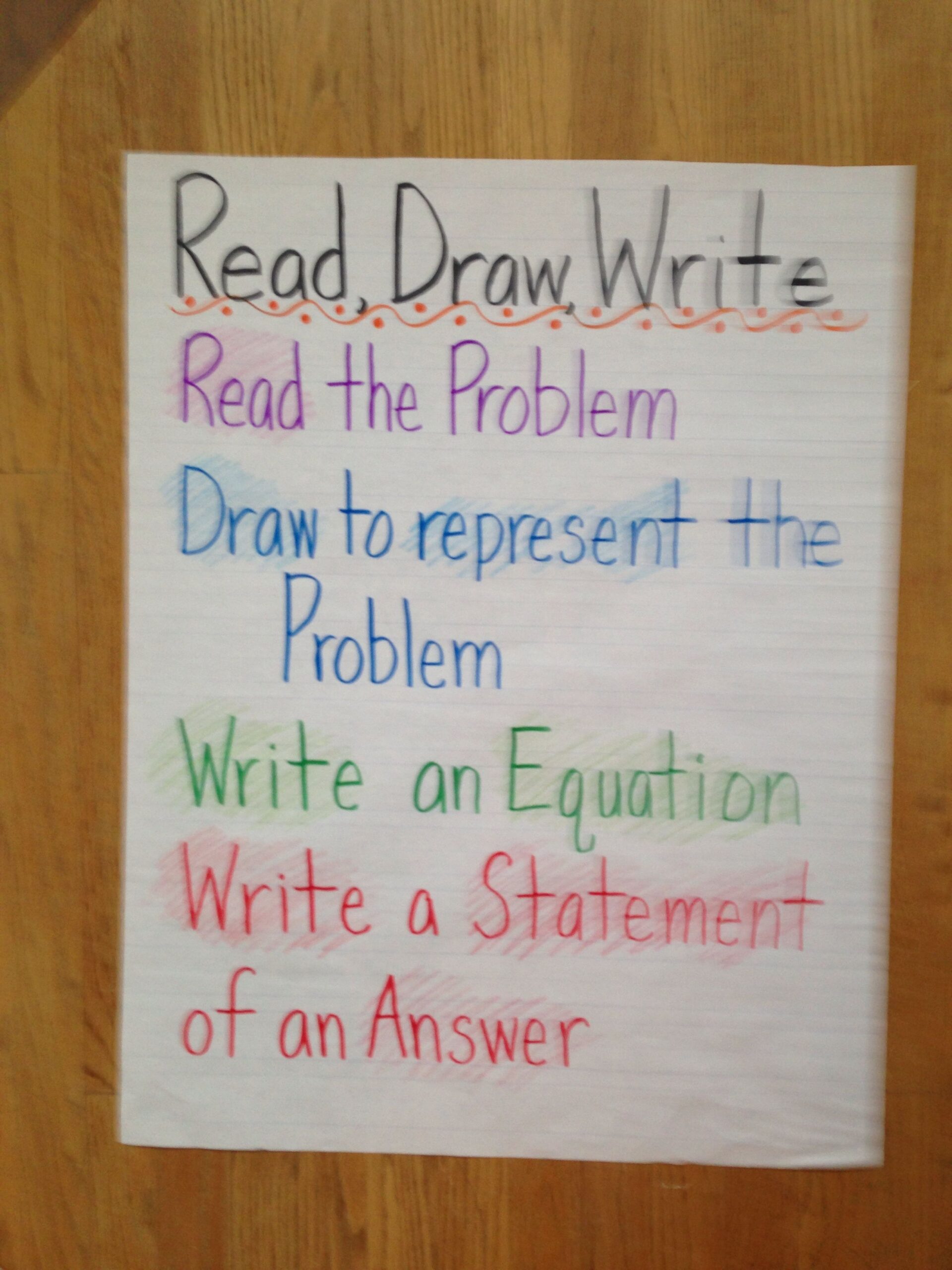
Before handing out the worksheets, introduce the concept of using reading, writing, and drawing in solving math problems. Explain how each component contributes to their learning. For example, reading helps them understand the problem, writing allows them to articulate their thinking, and drawing provides a visual aid.
3. Model the Process
Demonstrate how to complete a worksheet by working through an example as a class. Show students how to read the problem, write their thought process, and create a drawing that represents their solution. This modeling helps to clarify expectations and provides a reference for students as they work independently.
4. Encourage Collaboration
Pair students up or group them to work on the worksheets together. This collaboration can lead to discussions that deepen their understanding. Encourage them to share their drawings and explanations with each other, fostering a supportive learning environment.
5. Review and Reflect
After students complete the worksheets, set aside time for review. Discuss the different approaches they took and the various drawings they created. This reflection helps reinforce learning and allows students to see the value in different methods of problem-solving.
Tips for Maximizing the Effectiveness of Read Write Draw Math Worksheets
To get the most out of these worksheets, consider these practical tips:
- Adapt for Different Learning Styles: Modify worksheets to suit students’ individual needs. For visual learners, encourage more drawing; for verbal learners, emphasize the writing component.
- Use Technology: If available, consider digital versions of Read Write Draw Math Worksheets. Interactive features can enhance engagement and allow for easier tracking of progress.
- Incorporate Regular Practice: Make these worksheets a regular part of your math curriculum. Consistent practice helps solidify concepts and builds confidence.
- Provide Feedback: Offer constructive feedback on students’ worksheets. Highlight their strengths and provide suggestions for improvement, encouraging a growth mindset.
- Celebrate Success: Recognize students’ efforts and improvements. Celebrating their successes, no matter how small, boosts motivation and reinforces learning.
Finding Quality Read Write Draw Math Worksheets
When searching for these worksheets, look for reputable educational websites that offer a variety of free and paid resources. Some popular sites include:
- Teachers Pay Teachers: A marketplace for educators to share and sell their original resources.
- Education.com: Offers a wide range of printable worksheets and activities.
- Scholastic: Provides lesson plans and worksheets that can be tailored to your curriculum.
Make sure to read reviews and check the quality of the worksheets before downloading. Look for resources that have clear instructions, engaging visuals, and a variety of problems to solve.