
Math fact practice is essential for building a strong foundation in mathematics. With the right resources, you can help your students master addition, subtraction, multiplication, and division in an engaging way. The 100 Math Fact Practice Worksheets available for download provide a variety of exercises that can be printed and used immediately in your classroom or at home. This guide will walk you through the features and benefits of these worksheets, how to use them effectively, and tips for maximizing their impact on student learning.
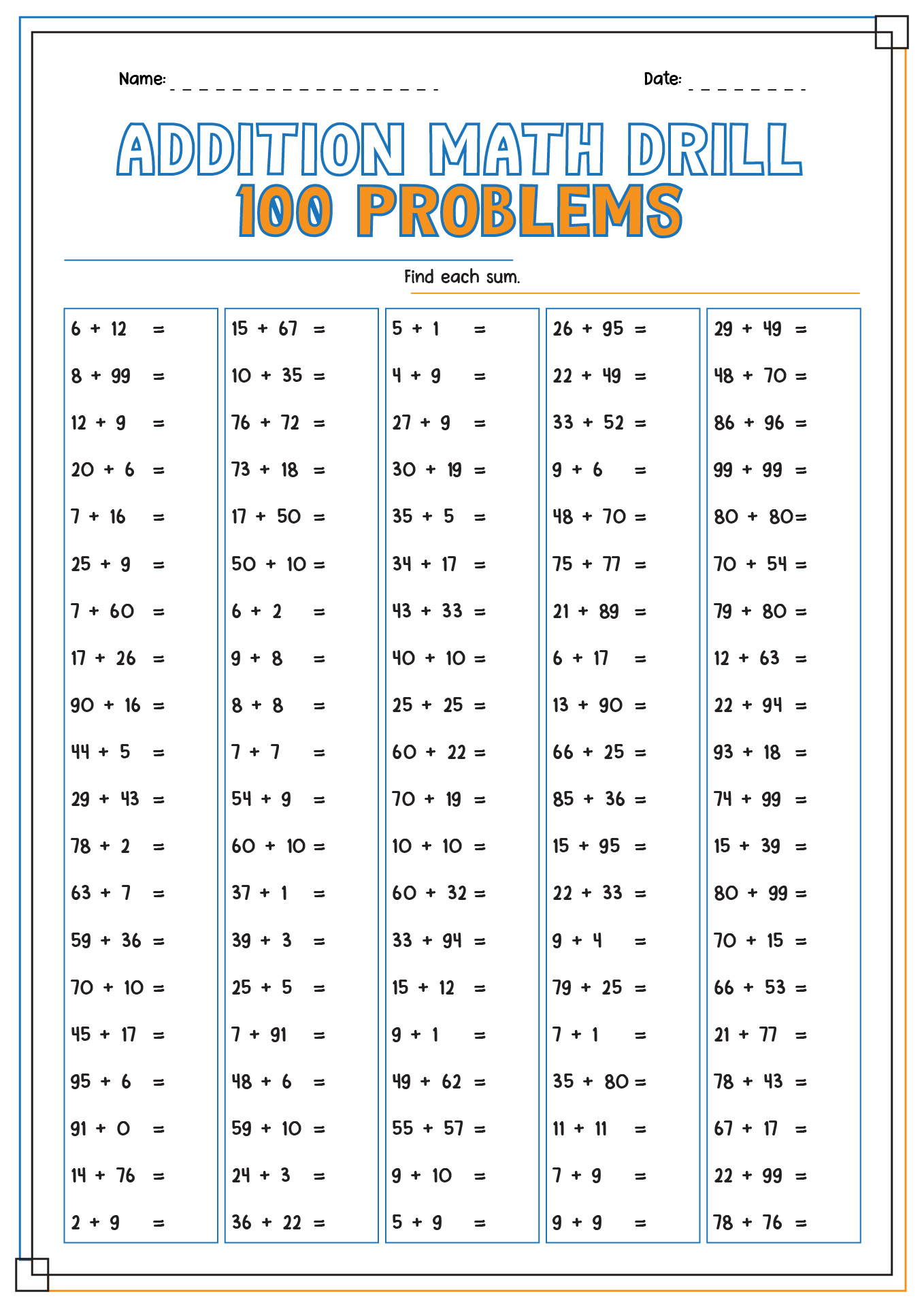
Overview of the 100 Math Fact Practice Worksheets
These worksheets are designed with the goal of reinforcing math skills across different grade levels. They include a variety of formats such as:
- Single-operation worksheets: Focus on one type of math fact, like addition or multiplication.
- Mixed-operation worksheets: Combine various operations to challenge students.
- Timed tests: Encourage quick recall of math facts.
- Fun themes: Incorporate engaging visuals to make practice enjoyable.
Each worksheet typically includes a range of problems that allow students to practice their skills at their own pace, catering to different learning styles.
How to Access and Print the Worksheets
Getting your hands on these 100 Math Fact Practice Worksheets is straightforward. You can typically find them on a printable-resource website. Here’s how to access and print them:
- Download the Worksheets: Most sites will offer the worksheets in PDF format. This format is ideal as it maintains the layout and is easy to print.
- Choose Your Printing Options: Depending on your printer, you might want to select options such as ‘fit to page’ or ‘actual size.’ Portrait layout is often the best choice for worksheets.
- Select Paper Type: For durability, consider printing on cardstock. It holds up better, especially if you plan to laminate the sheets for repeated use.
- Print in Batches: If you’re preparing for a class, print multiple copies of the same worksheet or create a mix of different worksheets for varied practice.
Utilizing the Worksheets in Your Classroom
Once you have the worksheets printed, the next step is to integrate them into your teaching routine. Here are some practical tips for using these worksheets effectively:
- Daily Math Warm-ups: Use a worksheet as a daily starter activity to engage students right at the beginning of your math class.
- Homework Assignments: Assign different worksheets as homework to reinforce concepts taught during class.
- Small Group Work: Divide students into small groups and have them work together on worksheets, promoting collaboration and discussion around math problems.
- Assessment Tools: Utilize timed tests from the worksheets to assess student progress and identify areas that need more focus.
Differentiating Instruction With Worksheets
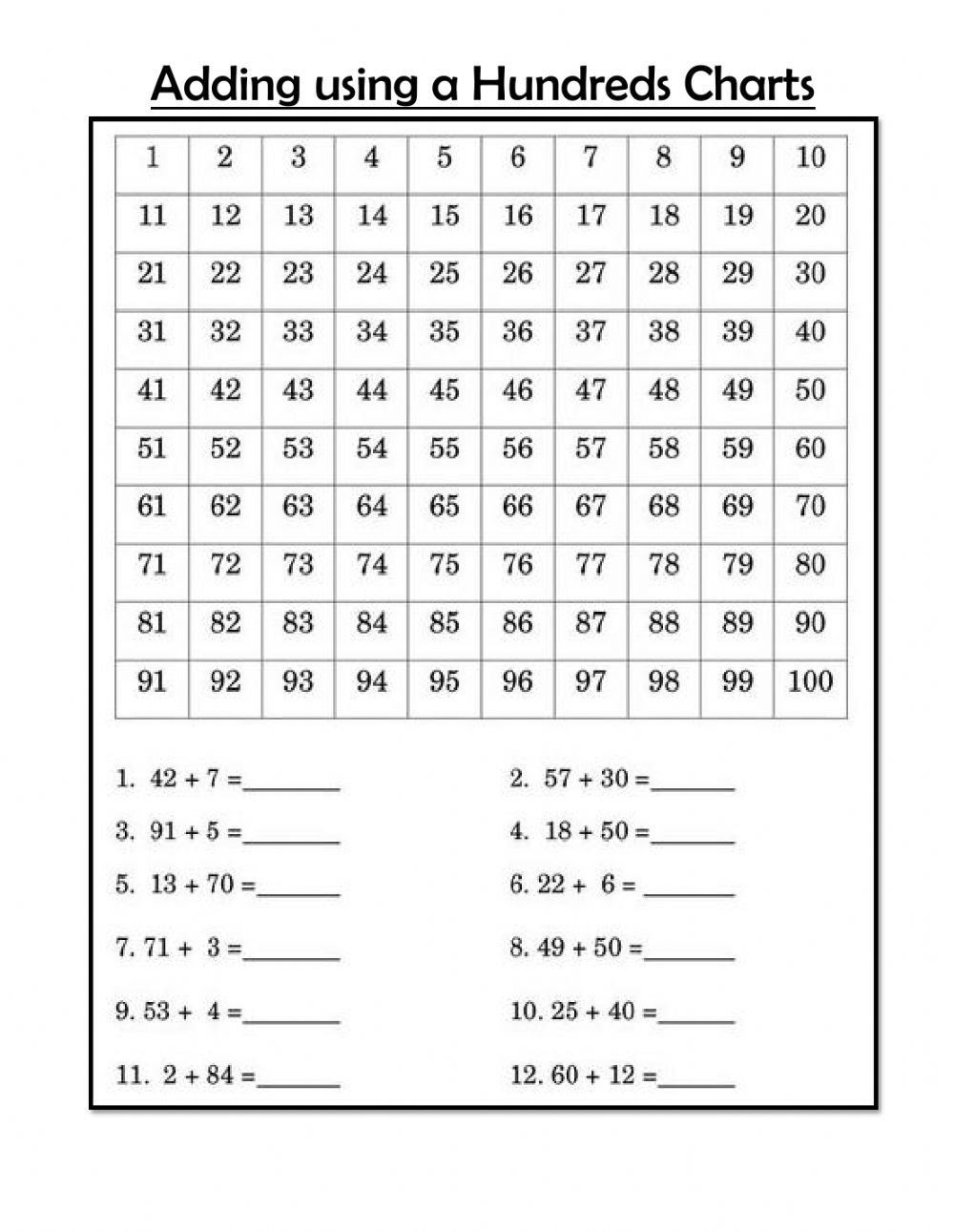
Every student learns at their own pace, and these worksheets can be tailored to meet diverse needs:
- For Struggling Students: Provide worksheets with fewer problems or those focusing on basic facts to build confidence.
- For Advanced Learners: Challenge them with mixed-operation worksheets or timed tests to push their skills further.
- Visual Learners: Choose worksheets that include graphics or thematic elements to keep them engaged.
Engaging Students With Math Facts
Incorporating fun elements into math practice can significantly enhance student interest and motivation. Here are a few strategies:
- Math Games: Turn worksheets into games. For example, students can race against the clock or compete in teams to complete problems.
- Coloring Pages: Some worksheets may include coloring elements, which can be a fun way to combine art with math.
- Reward Systems: Create a reward system for students who complete a certain number of worksheets, fostering a sense of achievement.
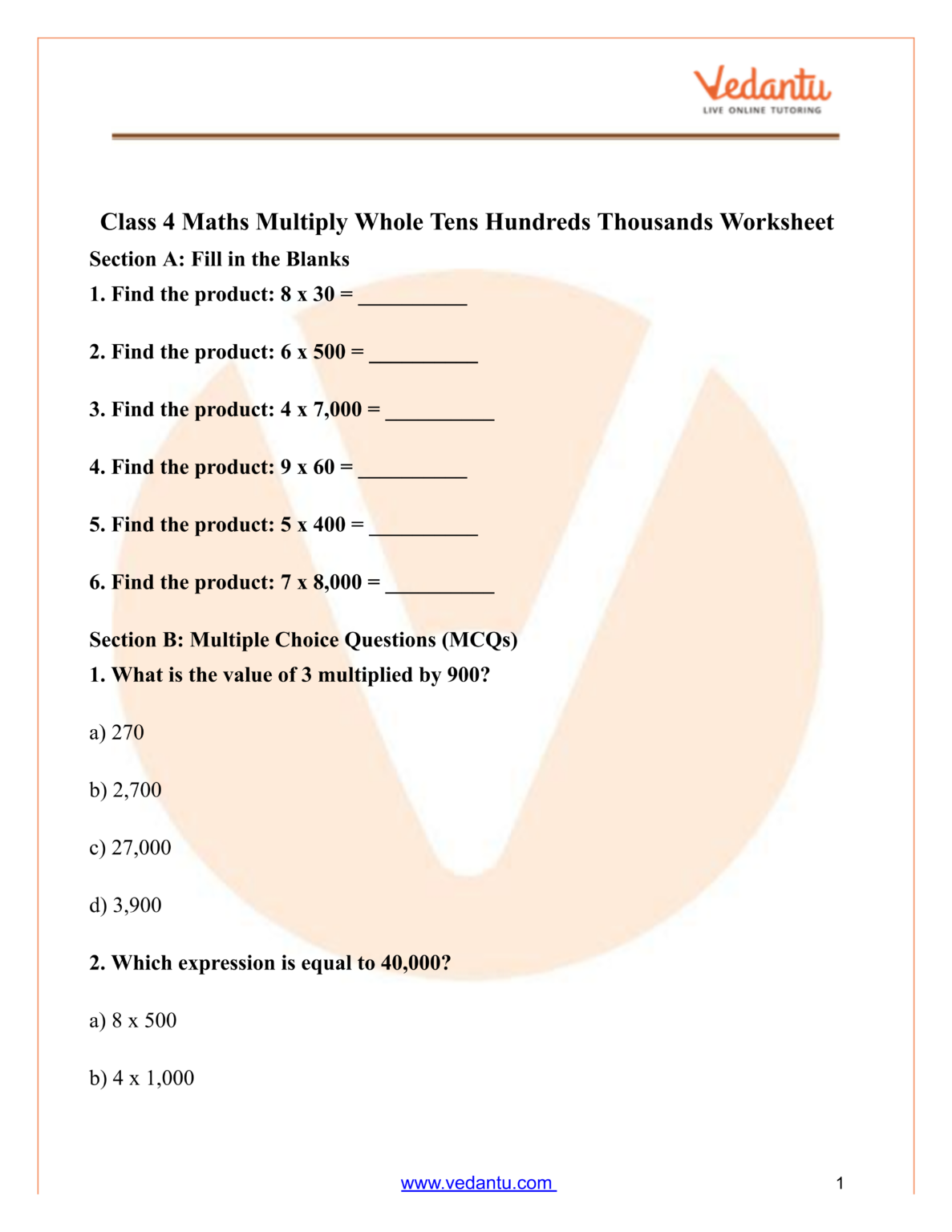
Tips for Effective Use of Math Fact Practice Worksheets
To maximize the impact of the 100 Math Fact Practice Worksheets, consider the following tips:
- Regular Practice: Consistency is key in math education. Schedule regular practice sessions to help reinforce learning.
- Feedback: Provide immediate feedback on worksheets. Discuss errors in a supportive way to help students learn from their mistakes.
- Track Progress: Keep track of which worksheets students have completed and their scores to monitor progress over time.