
In the world of educational resources, finding the right materials can often feel overwhelming. However, 2nd Grade Math Data Worksheets stand out as a practical and effective tool for teachers looking to strengthen their students’ understanding of data concepts. These worksheets not only align with educational standards but also provide engaging activities that make learning enjoyable for young learners.
Understanding the Importance of Data in 2nd Grade Math
Data literacy is an essential skill that children develop in their early years. By introducing 2nd graders to basic data concepts, you help them grasp how to collect, analyze, and interpret information. This foundation not only supports their math skills but also enhances their critical thinking abilities.
The 2nd Grade Math Data Worksheets typically cover topics such as:
- Collecting Data: Students learn how to gather information through surveys or observations.
- Organizing Data: Worksheets guide students in arranging data using charts, tables, or graphs.
- Interpreting Data: Children practice reading and understanding data representations to make informed conclusions.
By engaging with these worksheets, students can apply math concepts in real-world contexts, making the learning process both relevant and practical.
Key Features of 2nd Grade Math Data Worksheets
When selecting 2nd Grade Math Data Worksheets, it’s important to look for features that enhance usability and effectiveness. Here are some key characteristics to consider:
Clear Layout
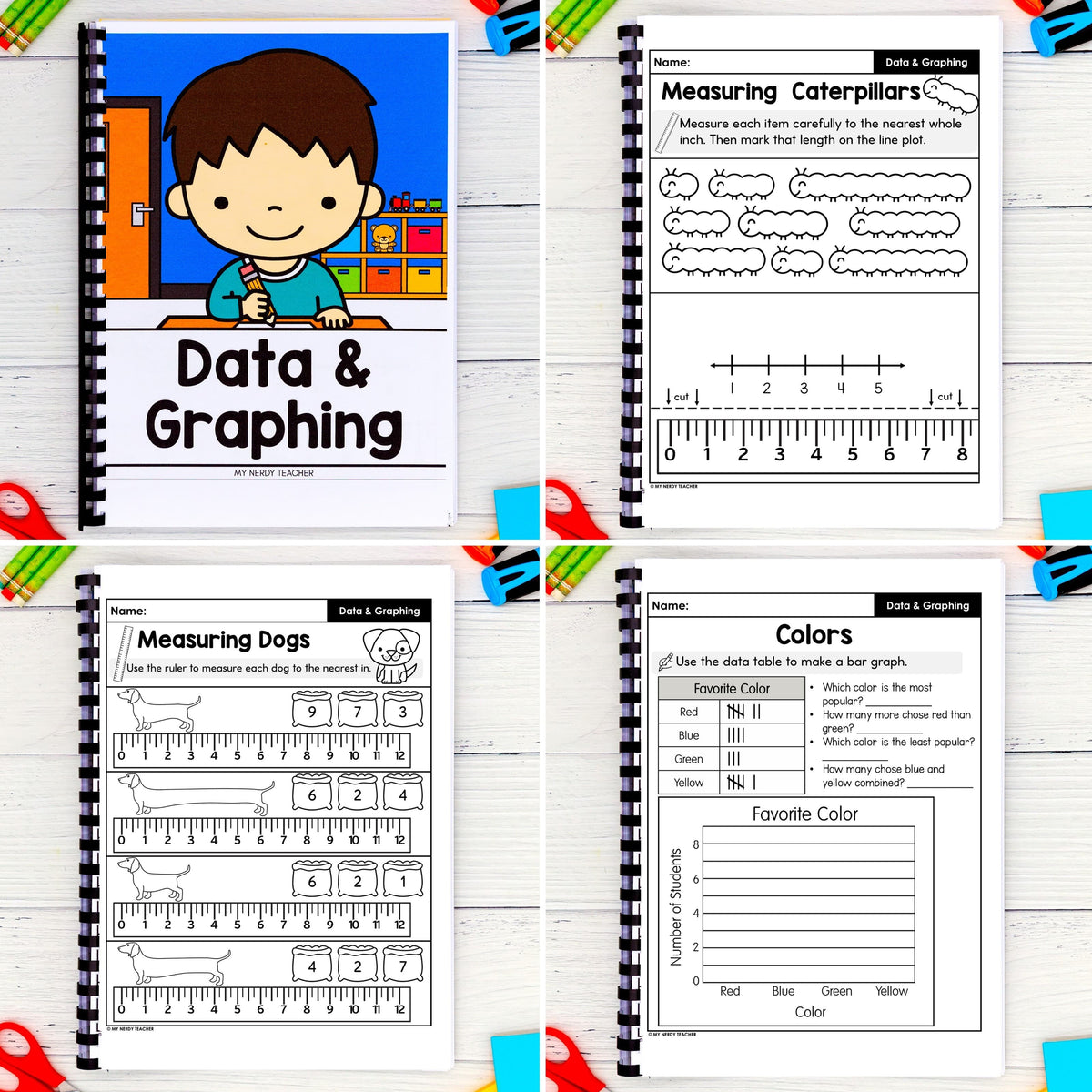
The layout of each worksheet plays a crucial role in helping students navigate the material. Most worksheets are designed with a clear structure that includes:
- Headings and Subheadings: These guide students through different sections of the worksheet, making it easier to follow instructions.
- Visual Aids: Incorporating images or diagrams can help clarify concepts and keep students engaged.
Variety of Activities
A well-rounded set of worksheets will offer a variety of activities that cater to different learning styles. For example, worksheets might include:
- Hands-on Activities: Tasks that require students to collect data from their surroundings, such as counting objects in the classroom.
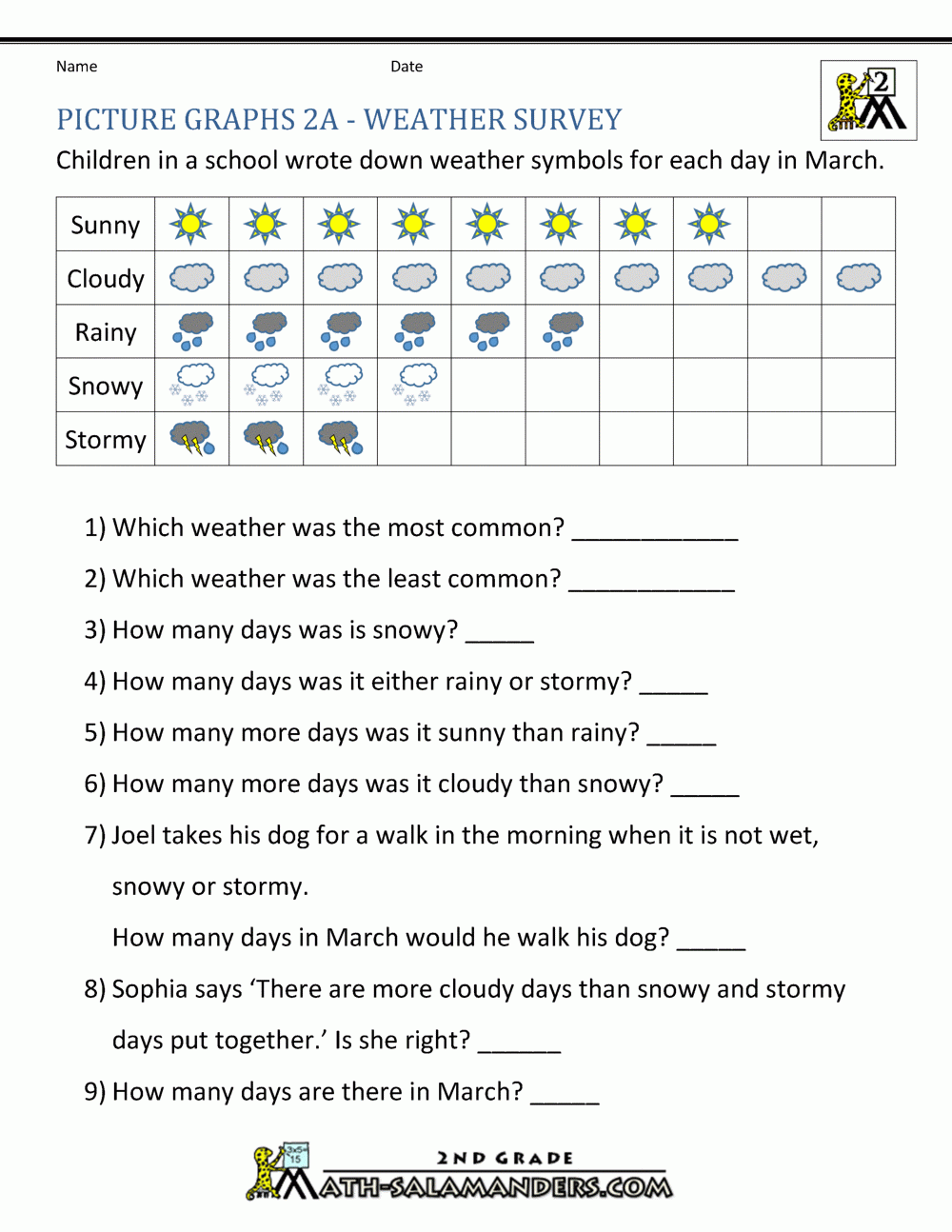
- Graphing Exercises: Activities that allow students to create bar graphs or pictographs, reinforcing their understanding of data representation.
Printable Formats
Ensure that the worksheets are available in printable formats. PDF versions are ideal as they maintain formatting and can be easily printed without distortion. You may consider using cardstock for durability, especially if the worksheets will be reused.
Implementing 2nd Grade Math Data Worksheets in the Classroom
Integrating these worksheets into your lesson plans can be straightforward and effective. Here are some practical tips for implementation:
Start With a Discussion
Begin by introducing the concept of data to your students. You might ask them questions about their favorite fruits or colors and record their responses on the board. This sets the stage for the activities in the worksheets and makes the data collection process relatable.
Group Work
Encourage collaboration by having students work in small groups. Assign each group a specific data collection task, such as surveying classmates about their favorite animals. After collecting the data, have them use the worksheets to organize and graph their findings. This not only fosters teamwork but also allows for peer learning.
Review and Reflect
After completing the worksheets, hold a class discussion to review the findings. Ask students to share their graphs and what they learned from the data. This reflection reinforces their understanding and helps them articulate their thought processes.
Common Types of Data Worksheets for 2nd Graders
Different types of worksheets can cater to various aspects of data literacy. Here are some common types you might find:
Tally Charts
Tally charts allow students to practice counting and organizing data visually. They can tally how many students prefer a certain snack or activity, helping them understand frequency in data collection.
Bar Graphs
Bar graph worksheets guide students in creating visual representations of collected data. For instance, after a survey about favorite pets, students can create bar graphs to display their findings, enhancing their ability to interpret data visually.
Pictographs
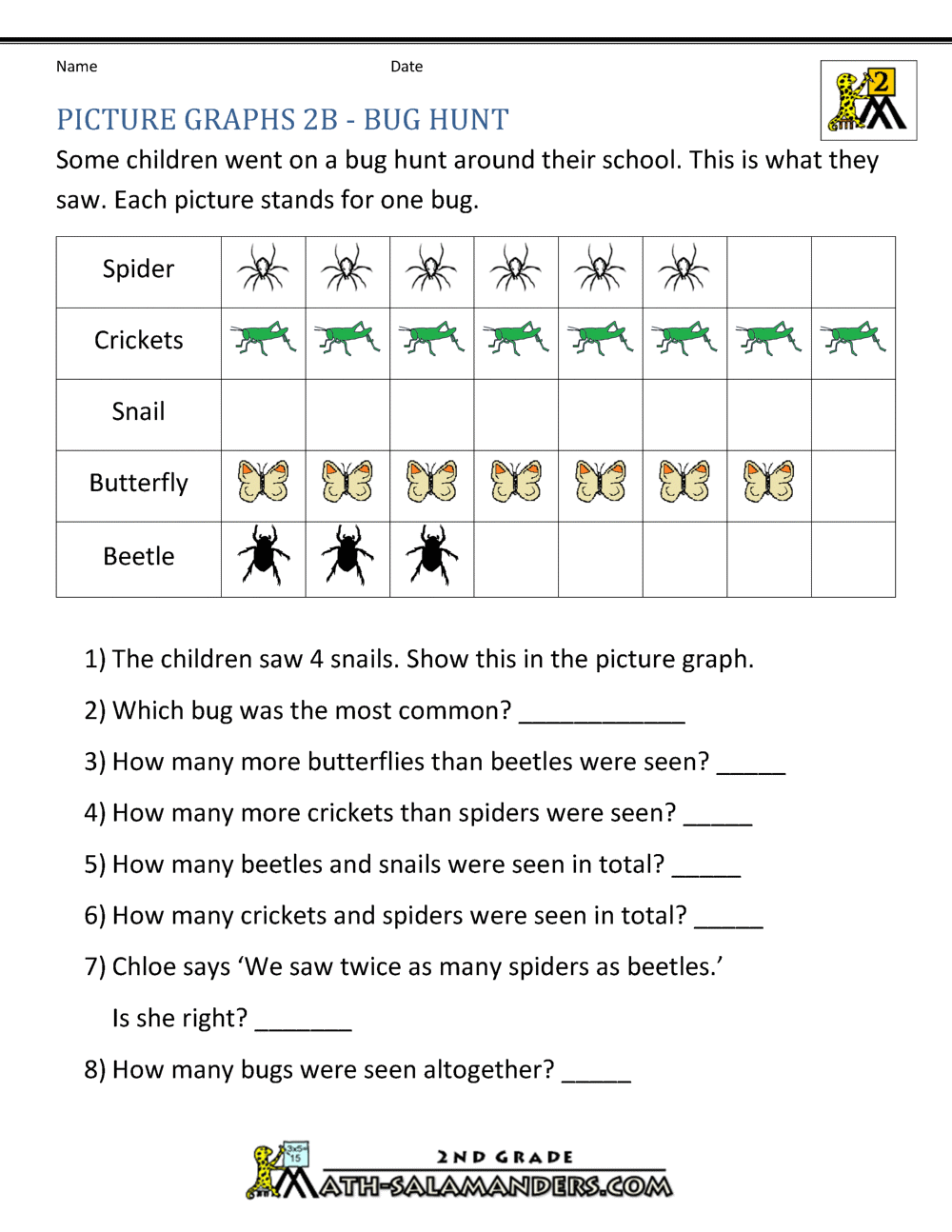
Pictographs use images to represent data, making it accessible for younger learners. Worksheets that involve creating pictographs can help students visualize quantities and engage creatively with the data.
Data Analysis Worksheets
These worksheets focus on interpreting data. They may include questions that ask students to compare different sets of data or draw conclusions based on their graphs. This develops their analytical skills and fosters critical thinking.
Tips for Maximizing the Use of 2nd Grade Math Data Worksheets
To get the most out of these worksheets, consider the following tips:
- Customize Worksheets: Tailor the worksheets to fit your students’ interests. For example, if your class loves animals, create a survey around that theme.
- Use Technology: Incorporate digital tools to complement the worksheets. For instance, students can use online graphing tools to visualize their data before transferring it to paper.
- Encourage Creativity: Allow students to express their findings creatively. They could present their data in a poster format or even create a short presentation to share what they learned.
By effectively utilizing 2nd Grade Math Data Worksheets, you can create a dynamic learning environment that fosters both engagement and educational growth. The structured approach these worksheets offer can significantly enhance your students’ understanding of data and its relevance in everyday life.
To implement these worksheets smoothly, consider printing them on standard letter-sized paper (8.5 x 11 inches) for easy handling. Whether you choose to laminate them for reuse or print them fresh for each lesson, you’ll find that these resources can fit seamlessly into your existing teaching framework.