
When it comes to supporting young learners in their math journey, 2nd Grade Math Problem Sheets can be a vital tool. These sheets not only provide practice but also help teachers track progress in key math concepts. With a variety of problems, they cater to different learning styles and needs, making them an essential resource for any classroom.
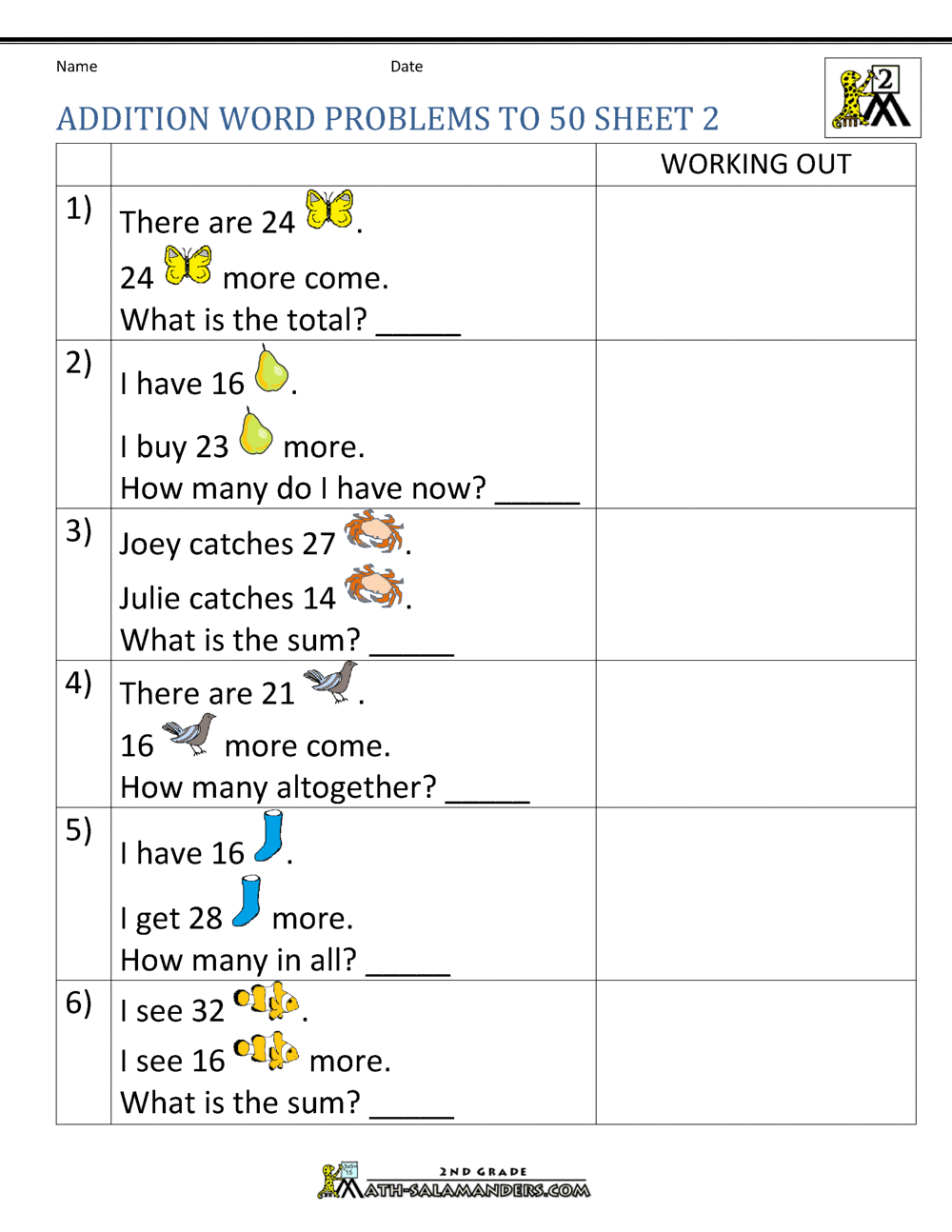
Understanding the Layout of 2nd Grade Math Problem Sheets
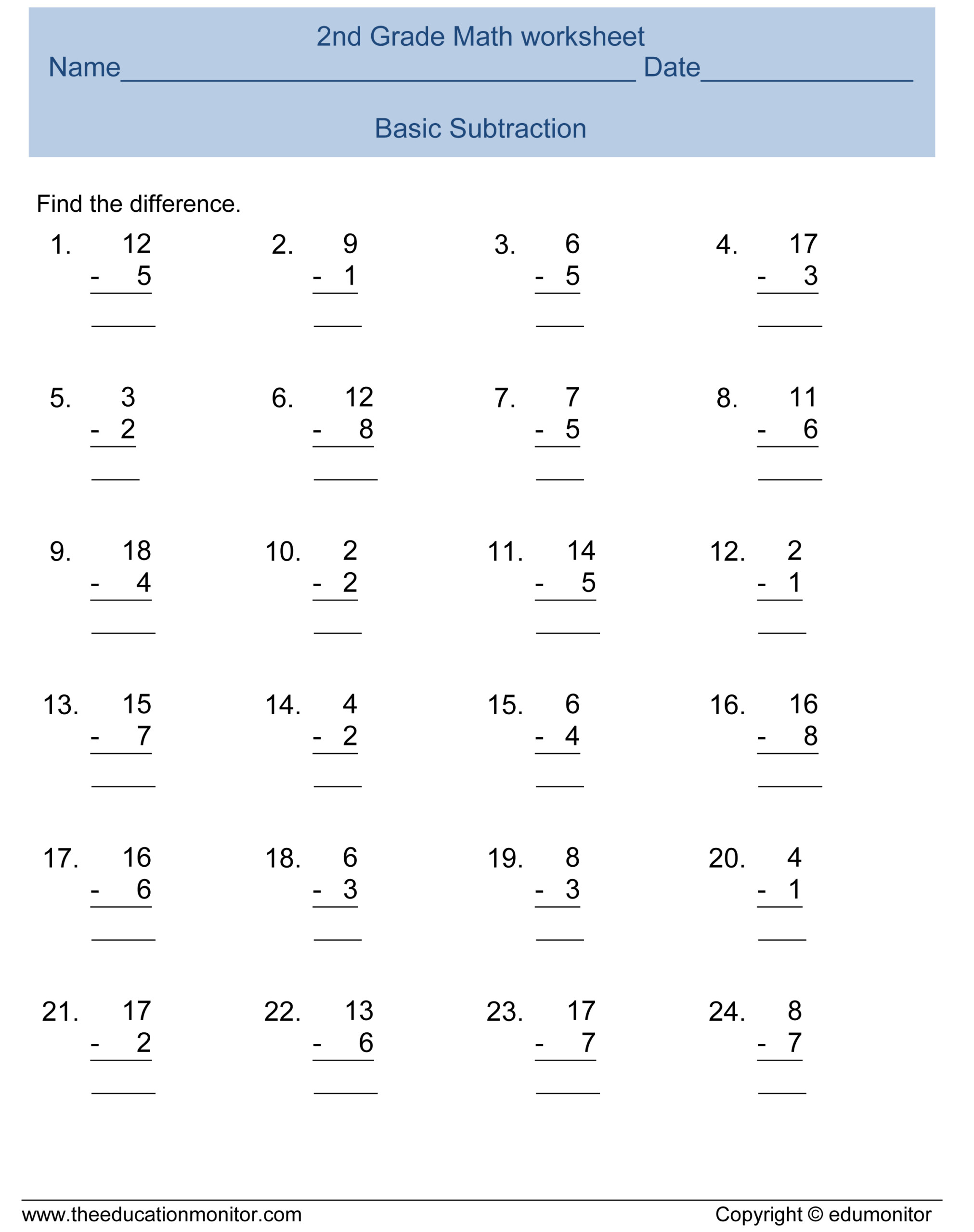
The design of 2nd Grade Math Problem Sheets is tailored to be engaging yet straightforward. Typically, they are formatted in a portrait layout, which is friendly for most home printers and classroom settings. This layout often allows for easy readability and organization, ensuring that students can focus on the problems without being distracted by cluttered designs.
You’ll find that these sheets often feature sections divided by types of problems. For example, one section might focus on addition and subtraction, while another could tackle word problems. This clear organization helps students navigate through their assignments and allows teachers to easily identify which areas might need more attention.
Types of Problems Included
2nd Grade Math Problem Sheets usually encompass a variety of problem types to ensure comprehensive coverage of the curriculum. Here are some common types you might encounter:
- Basic Addition and Subtraction: These problems reinforce fundamental skills that are crucial at this stage.
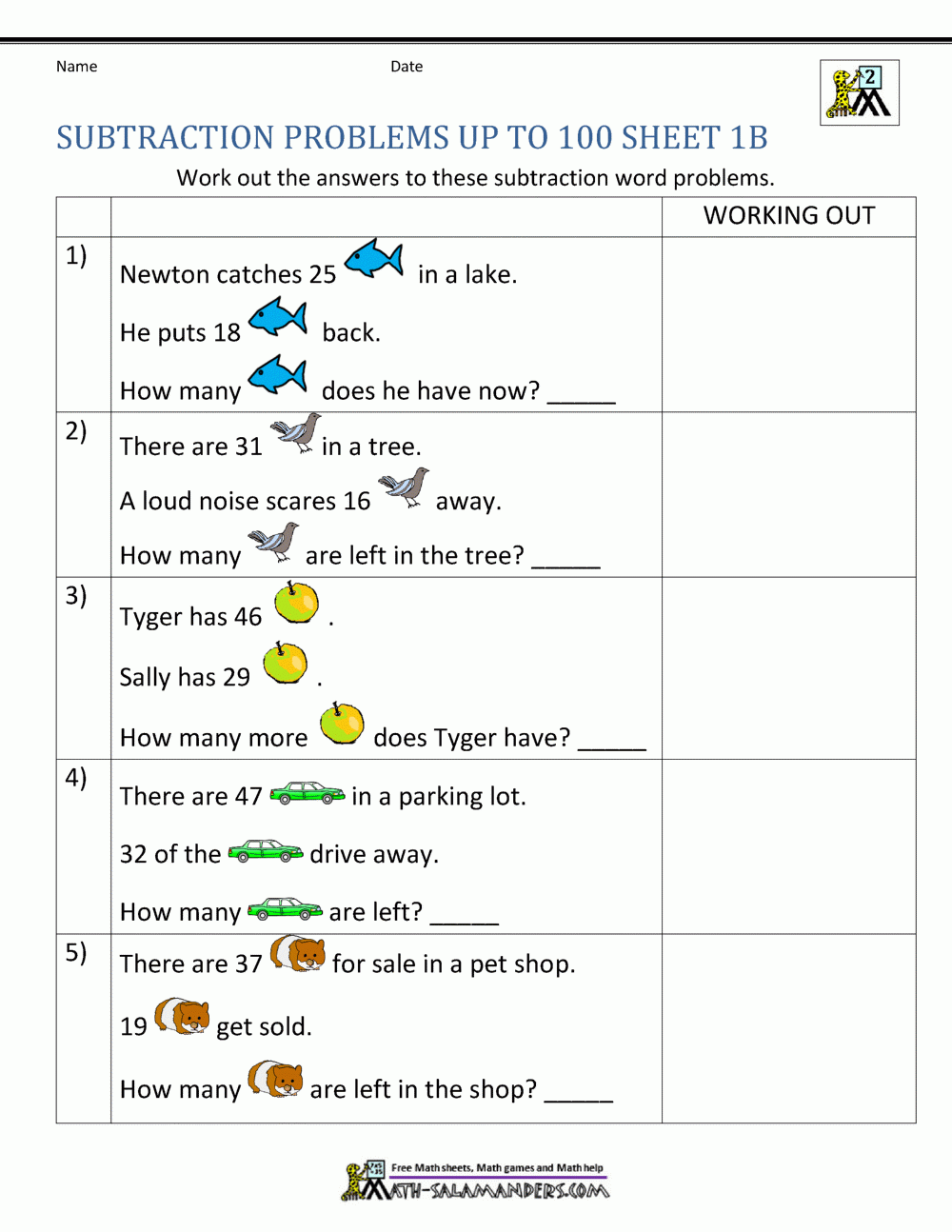
- Word Problems: These encourage critical thinking and help students learn to apply math in real-world scenarios.
- Skip Counting: This exercise is essential for understanding multiplication concepts later on.
- Basic Geometry: Simple shapes and patterns help introduce spatial awareness.
- Time and Money: Fundamental concepts of time-telling and basic currency use are often included.
By providing a mix of problem types, teachers can cater to different learning styles and reinforce various math concepts simultaneously.
How to Use 2nd Grade Math Problem Sheets Effectively
To maximize the benefits of these math problem sheets, consider the following strategies:
- Daily Practice: Integrate these sheets into daily routines. A short, consistent math session can greatly enhance retention.
- Group Work: Use these sheets for collaborative exercises. Students can work in pairs or small groups, encouraging discussion and shared problem-solving.
- Assess Progress: After completing sheets, review answers together. This not only helps in correcting mistakes but also provides an opportunity for immediate feedback.
- Customize Sheets: If possible, adapt the sheets to focus on areas where your students might be struggling. This can be particularly effective during assessments or when preparing for tests.
- Incorporate Games: Turn some of the problems into games. For example, create a timed challenge or a friendly competition to keep students motivated.
Downloading and Printing 2nd Grade Math Problem Sheets
Most 2nd Grade Math Problem Sheets are available in PDF format, which is ideal for printing. This format ensures that the layout remains consistent across different devices, preventing any reformatting issues that can arise with image files. When printing, consider using standard letter size (8.5” x 11”) paper for easy handling and storage.
For best results, print on cardstock if you plan to use the sheets multiple times. This material holds up better to erasing and can withstand a bit of wear and tear. If you want to save paper, print double-sided when possible, especially if you’re providing multiple sheets.
Benefits of Using 2nd Grade Math Problem Sheets
Using 2nd Grade Math Problem Sheets offers several benefits for both teachers and students:
- Tracking Progress: These sheets allow teachers to monitor student understanding and mastery of concepts over time. By comparing results from different sheets, you can identify trends and areas needing more focus.
- Variety and Engagement: The diversity of problems keeps students engaged. This variety can prevent boredom and motivate students to tackle challenges head-on.
- Independence: Students can often work independently with these sheets, fostering a sense of ownership over their learning. This independence is crucial in building confidence in their math skills.
- Preparation for Future Concepts: These problem sheets lay the groundwork for more advanced math topics. By mastering 2nd-grade concepts, students are better prepared for the challenges of 3rd grade and beyond.
Additional Resources for 2nd Grade Math
While 2nd Grade Math Problem Sheets are incredibly effective, complementing them with other resources can enhance the learning experience even further. Here are a few ideas:
- Online Math Games: Websites and apps offer interactive math games that can reinforce skills learned on the sheets.
- Math Manipulatives: Use physical objects like blocks or counters to visually demonstrate math concepts. This can be particularly helpful for visual learners.
- Math Journals: Encourage students to keep a math journal where they can write down their thought processes and solutions. This reflection can deepen their understanding.
- Parental Involvement: Share the problem sheets with parents, allowing them to engage with their children’s learning at home. This can be a great way to reinforce skills and encourage family discussions about math.
By utilizing 2nd Grade Math Problem Sheets alongside various teaching strategies and resources, you can create a rich learning environment that fosters growth and understanding in mathematics. Keeping the sheets organized, ensuring they are accessible, and regularly reviewing them can significantly impact your students’ progress. A key detail to remember is that having a well-structured plan for integrating these sheets into your lessons can make all the difference in student success.