
One of the most effective ways to engage young learners in math is through hands-on activities that challenge their observation skills. Find The Difference Math Worksheets offer a delightful mix of fun and learning, making them an essential resource for teachers. These worksheets typically come in a PDF format, often sized at 8.5 x 11 inches, making them easy to print and distribute in the classroom.
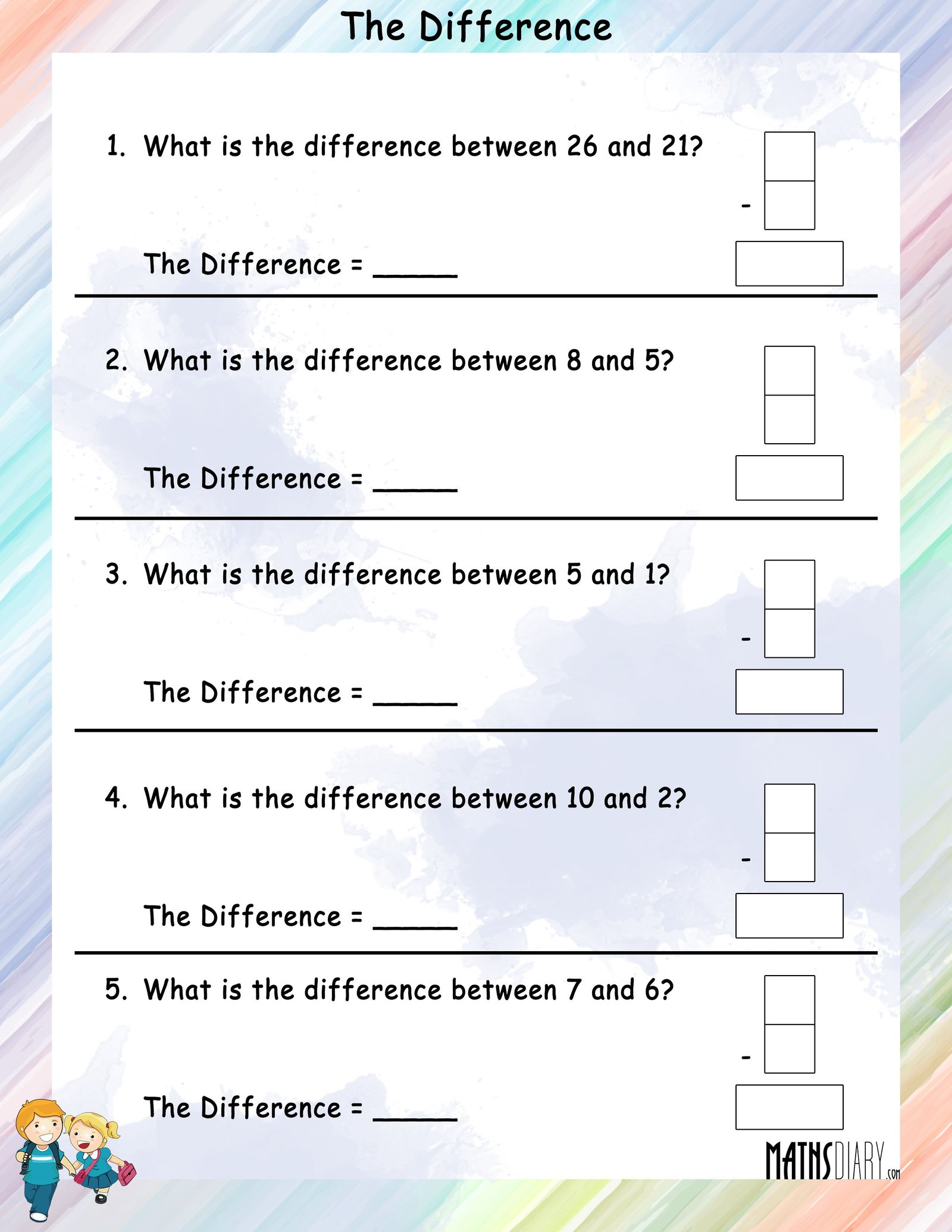
Understanding the Structure of Find The Difference Math Worksheets
When you look at a Find The Difference Math Worksheet, you’ll notice that the layout is designed to be visually engaging. These worksheets typically feature two similar images side by side. The task for students is to identify the differences between the two images. This format not only fosters critical thinking but also enhances visual discrimination skills, which are foundational for mathematical understanding.
Key Features of the Worksheets
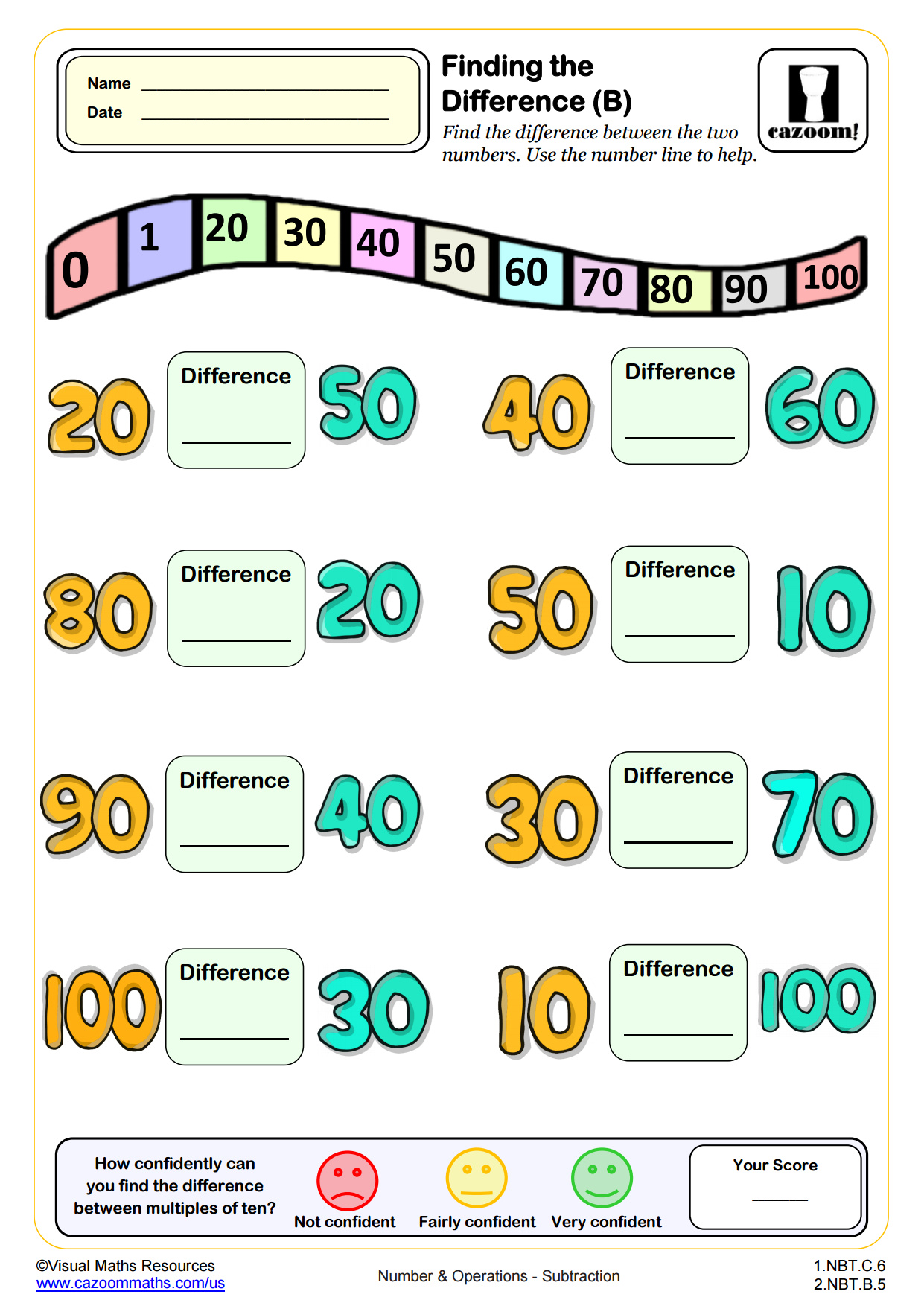
- Image Complexity: The images vary in complexity, catering to different grade levels. For younger students, simpler images with fewer differences are ideal, while older students can tackle more intricate designs.
- Clear Instructions: Each worksheet usually includes clear instructions at the top, guiding students on what they need to do. This is crucial for maintaining focus and ensuring students understand the task.
- Fun Themes: Many worksheets incorporate fun themes, such as animals, nature, or seasonal topics, which can make the learning experience more enjoyable for students.
How to Integrate Worksheets Into Your Lesson Plans
Incorporating Find The Difference Math Worksheets into your lesson plans can be seamless. Here are a few practical ideas for integrating them effectively:
- Warm-Up Activity: Use these worksheets as a warm-up activity at the beginning of a math lesson. This can help students transition into the learning mindset and prepare them for more complex tasks.
- Group Work: Have students work in pairs or small groups to encourage collaboration. This approach not only fosters social skills but also allows students to discuss their thought processes as they identify differences.
- Assessment Tool: These worksheets can also serve as a formative assessment tool. Observing how students approach the task can give you insight into their problem-solving strategies and areas that may need reinforcement.
Adapting Worksheets for Different Learning Levels
Find The Difference Math Worksheets can easily be adapted to suit various learning levels. For instance, you can modify the difficulty by selecting images with fewer or more differences based on your students’ abilities. Here are some tips:
- Visual Support: For younger students or those struggling with reading, consider providing visual aids or examples that show how to spot differences. This support can boost their confidence and encourage participation.
- Time Challenges: For advanced learners, you might introduce a timed element, challenging them to find the differences within a certain period. This can add a layer of excitement and urgency while reinforcing their skills.
- Differentiation: Create multiple versions of the same worksheet with varying difficulty levels. This way, every student can work at their own pace without feeling overwhelmed or bored.
Downloading and Printing Your Worksheets
When it comes to downloading and printing Find The Difference Math Worksheets, a few considerations can enhance the experience:
- PDF Format: Ensure you download the worksheets in PDF format. This format maintains the layout and quality, preventing any resizing issues that can occur with image files.
- Paper Quality: Opt for a heavier paper, such as cardstock, especially if you plan to laminate the worksheets for repeated use. This durability can withstand the handling of enthusiastic young learners.
- Printer Settings: Most home printers handle standard paper sizes well, but always check that your printer settings are adjusted for the best quality output. Portrait layout usually works best for these types of worksheets.
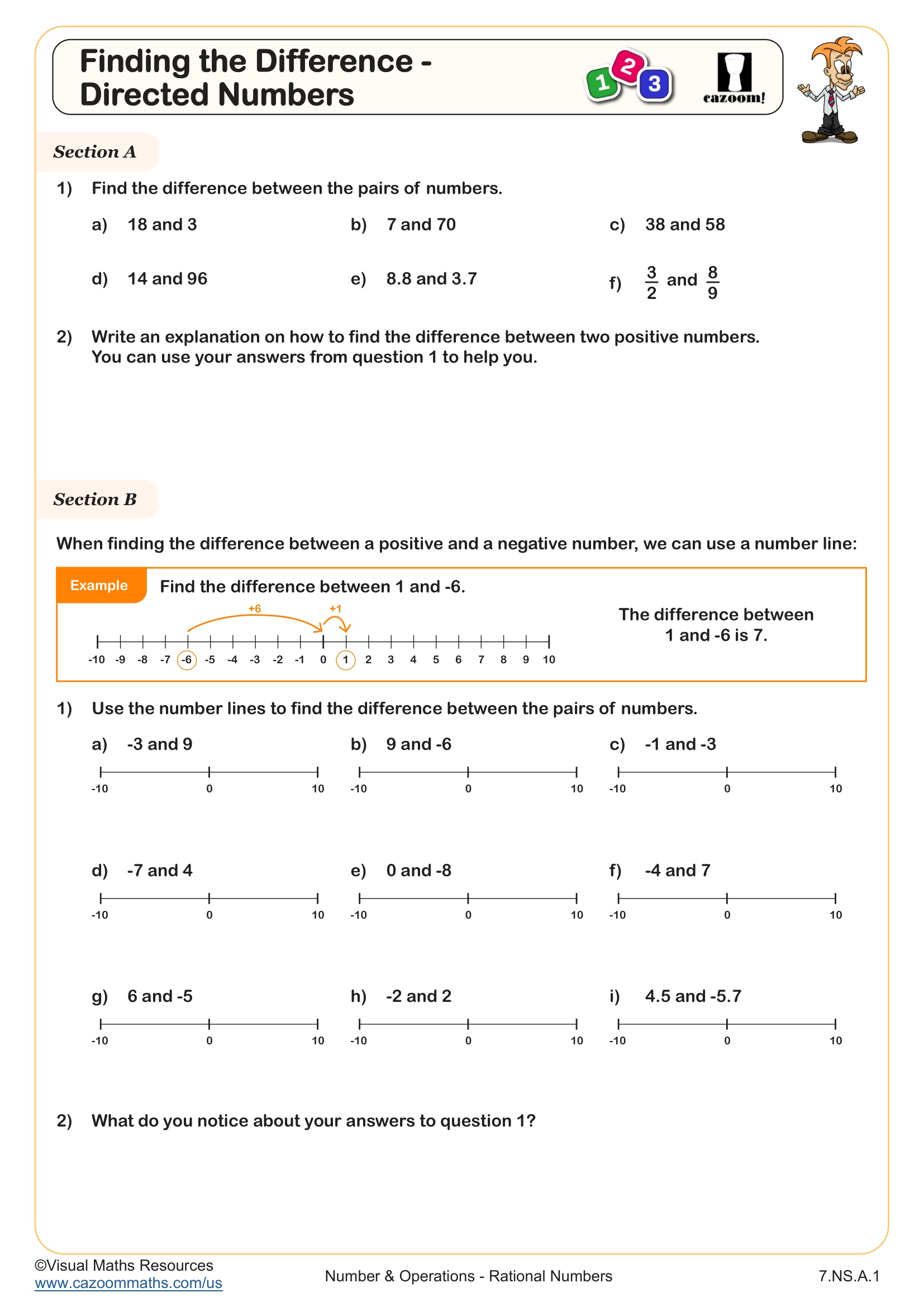
Encouraging Further Learning Through Engagement
To make the most out of Find The Difference Math Worksheets, consider encouraging further exploration of the skills developed through these activities. Here are some ideas:
- Follow-Up Activities: After completing the worksheets, you might engage students in discussions about what strategies they used to find the differences. This reflection can reinforce their learning.
- Creative Extensions: Encourage students to create their own Find The Difference images. This activity can help them understand the concept from a different perspective and foster creativity.
- Linking to Other Subjects: You can tie these worksheets into broader themes in your curriculum. For example, if you’re studying animals, use worksheets that feature animal images, linking math skills to science topics.
Finding the right resources for your classroom can make a significant difference in student engagement and learning outcomes. By incorporating Find The Difference Math Worksheets into your teaching toolkit, you’re not just providing a fun activity; you’re fostering essential skills that will benefit your students in their mathematical journey. One specific detail to remember is that these worksheets can be easily found online, often for free, making them an accessible resource for educators everywhere.