
Math Sheets To Do Online are an essential resource for teachers looking to engage students in mathematics through interactive and printable activities. These resources cater to various grade levels and can be tailored to fit different learning styles. By using math sheets that can be completed online, you can effectively track student progress, foster accountability, and streamline lesson planning.
Understanding Math Sheets
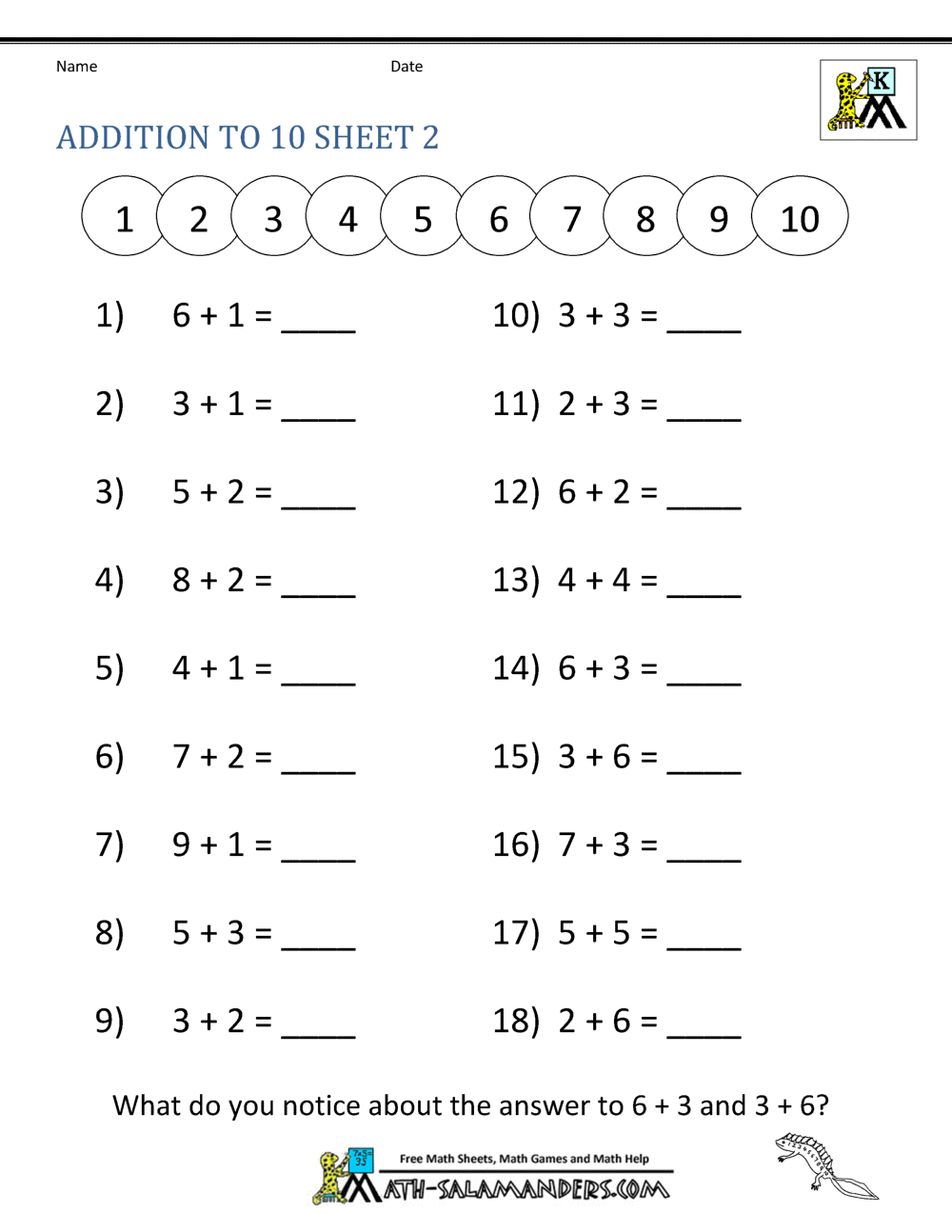
Math sheets are worksheets designed to help students practice mathematical concepts and skills. They can include a variety of exercises such as problem-solving, drills, and real-world applications. The beauty of having math sheets to do online is that they can be easily accessed, completed, and submitted digitally. This flexibility allows teachers to integrate technology into their lesson plans and provides students with an engaging way to learn.
Types of Math Sheets
When selecting math sheets to do online, consider the following types:
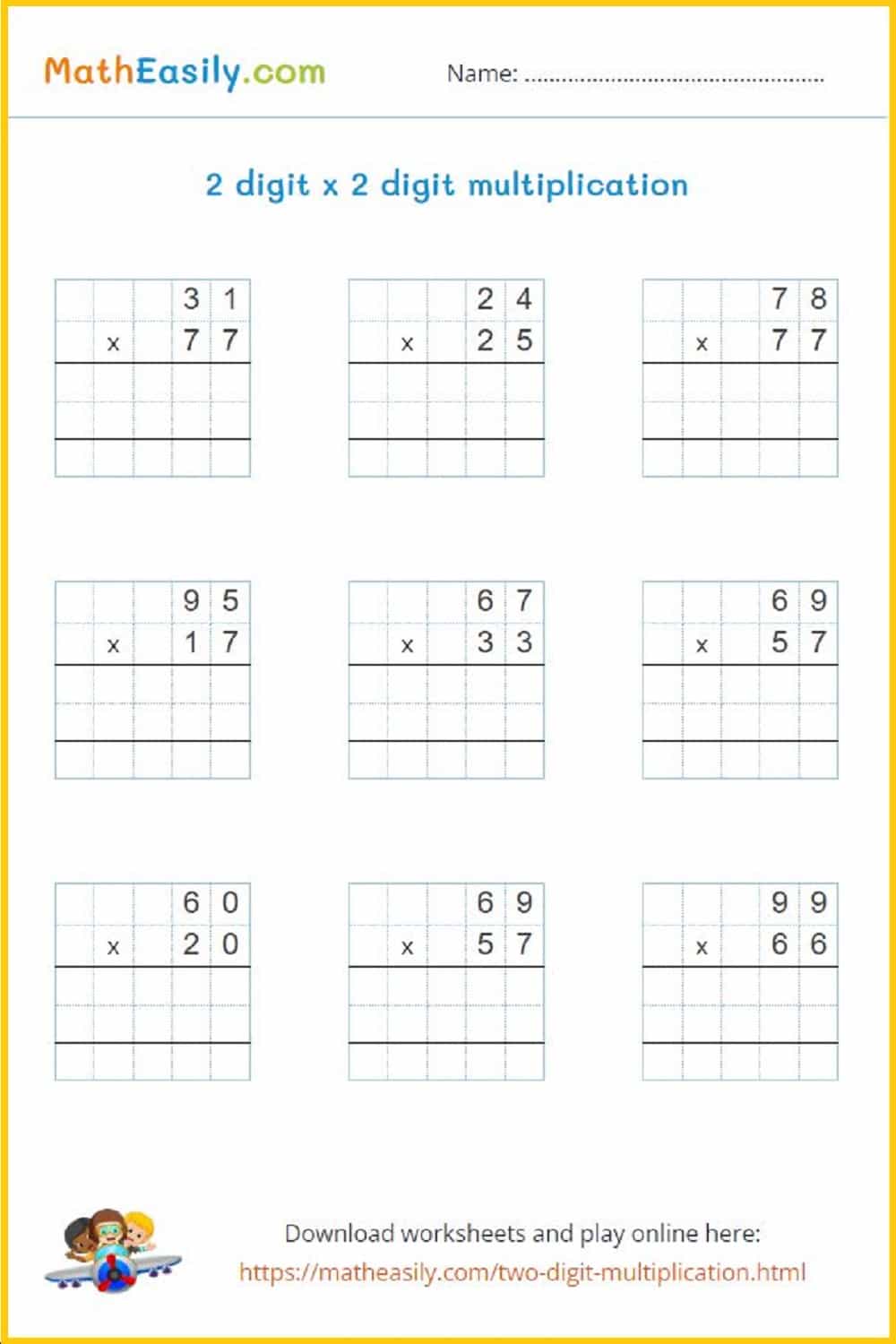
- Practice Worksheets: These sheets focus on specific skills, such as addition, subtraction, multiplication, and division. They can be leveled according to student ability.
- Assessment Sheets: Use these for quizzes or tests to evaluate student understanding of particular concepts.
- Interactive Games: Incorporate fun math games that reinforce math skills, making learning enjoyable.
- Real-World Problems: These worksheets help students apply math to everyday situations, enhancing their critical thinking skills.
Benefits of Using Online Math Sheets
Incorporating math sheets to do online offers several advantages:
- Immediate Feedback: Many online platforms provide instant feedback, allowing students to learn from their mistakes right away.
- Easier Tracking: Teachers can monitor student progress more efficiently, identifying areas where students may need additional help.
- Engagement: Online math sheets can include interactive elements such as animations and quizzes, keeping students engaged and motivated.
- Accessibility: Students can complete math sheets from any device with internet access, making it easier for them to study at home or on the go.
How to Implement Math Sheets in Your Teaching
Integrating math sheets to do online into your classroom routine can be straightforward. Here are some practical steps:
1. Choose the Right Platform
Select an online platform that offers a range of math sheets suitable for your students’ grade levels. Look for features such as customizable worksheets, tracking tools, and user-friendly interfaces. Popular platforms include:
- Google Classroom
- Khan Academy
- IXL Learning
- Mathletics
2. Customize Worksheets
Tailor the math sheets to meet the specific needs of your students. You can adjust the difficulty level, topics covered, and even the format (multiple choice, fill-in-the-blank, etc.). This customization ensures that all students are challenged appropriately.
3. Set Clear Expectations
When assigning math sheets, make sure students understand what is expected of them. Clearly outline deadlines, grading criteria, and how they can access help if needed. Consistency in your approach will help students stay accountable.
4. Encourage Collaboration
Promote group work by having students discuss their answers in pairs or small groups. This collaborative approach not only enhances understanding but also builds communication skills.
Tracking Progress With Online Math Sheets
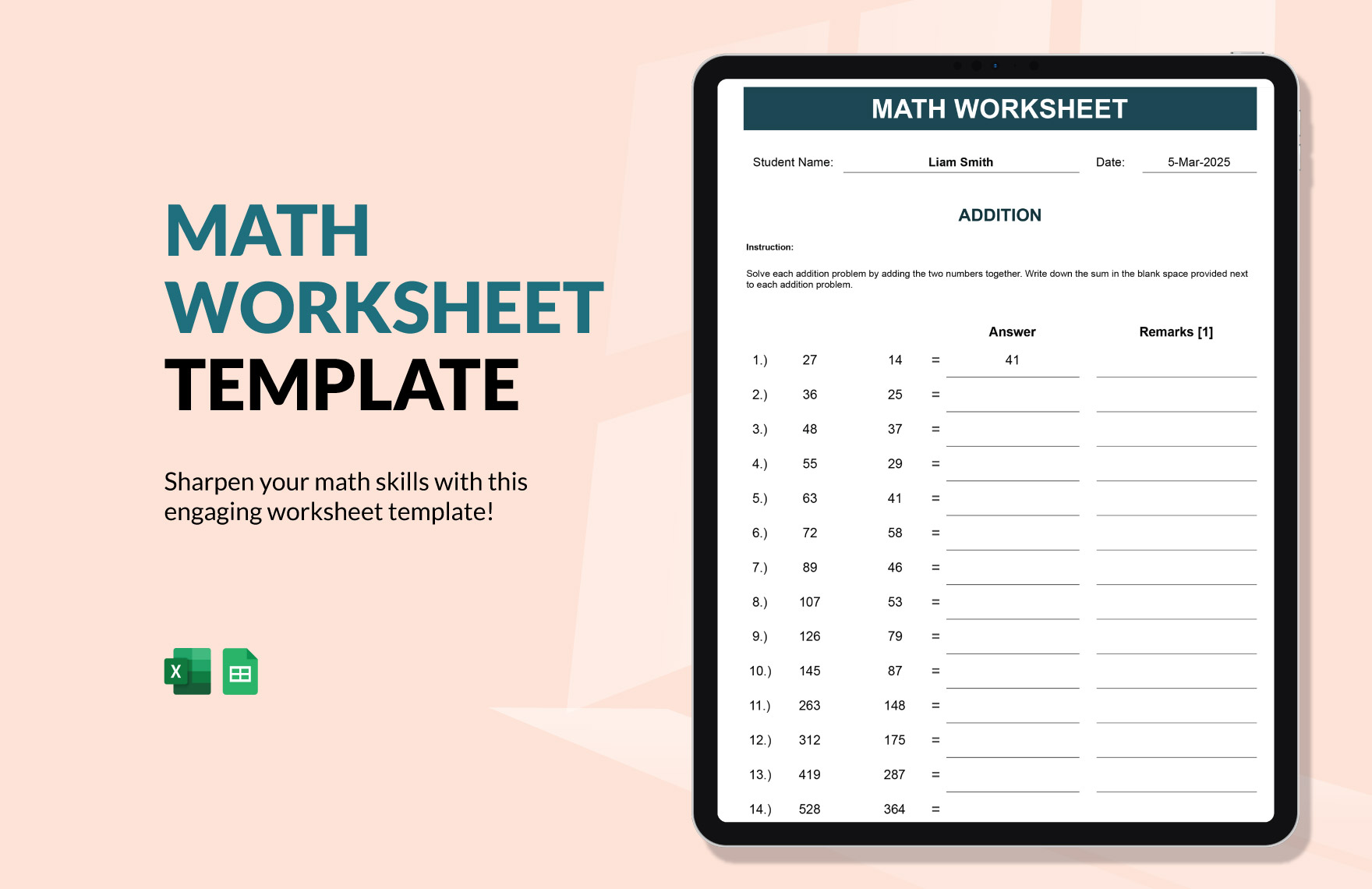
One of the primary advantages of using math sheets to do online is the ability to track student progress effectively. Here’s how to leverage this feature:
1. Monitor Completion Rates
Use the platform’s analytics to check how many students have completed their math sheets. This data can help you identify which students may need additional support.
2. Analyze Performance Data
Look at the scores and feedback provided by the platform. This information will help you pinpoint specific areas where students excel or struggle, allowing for targeted instruction.
3. Provide Feedback
Offer constructive feedback based on the results from the math sheets. Encourage students to review their mistakes and understand where they went wrong.
Adapting Math Sheets for Different Learning Styles
Every student learns differently, and it’s important to adapt your resources accordingly. Here’s how you can modify math sheets to cater to various learning preferences:
1. Visual Learners
Incorporate charts, graphs, and images into math sheets. Visual aids can help these students better understand mathematical concepts.
2. Kinesthetic Learners
For students who learn best through movement, consider assigning hands-on activities that complement the online math sheets. For instance, use manipulatives to illustrate addition and subtraction.
3. Auditory Learners
Encourage discussions around the math sheets. Have students explain their thought processes out loud or work in pairs to solve problems verbally.