
Maths For 10 Year Olds Worksheets are essential tools for educators looking to strengthen their students’ mathematical skills. These worksheets are designed specifically for children around the age of 10, typically in Year 5 of their education. They cover a variety of topics, ensuring that students can practice and master key concepts in a structured manner. In this guide, we’ll explore how to effectively use these worksheets, the types of content available, and tips for integrating them into your lesson plans.
Understanding the Importance of Worksheets
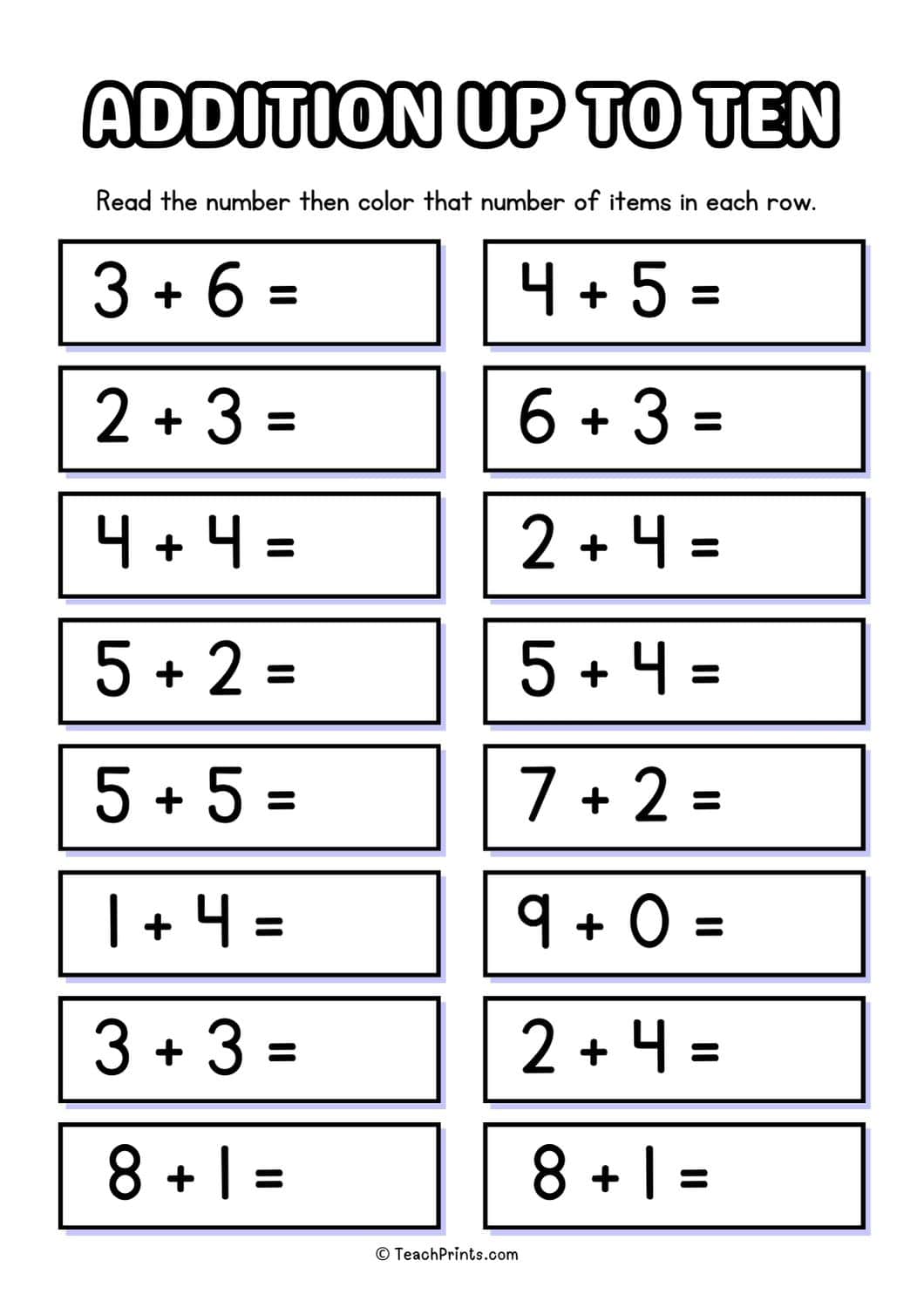
Worksheets serve as a practical resource that can reinforce classroom learning. They provide students with opportunities to practice problem-solving, critical thinking, and application of mathematical concepts. For 10-year-olds, engaging with Maths For 10 Year Olds Worksheets can help solidify their understanding of topics such as:
- Addition and subtraction of larger numbers
- Multiplication and division
- Fractions and decimals
- Measurement and geometry
- Data handling and basic statistics
Utilizing these worksheets not only aids in retention but also builds confidence as students see their progress.
Types of Worksheets Available
When searching for Maths For 10 Year Olds Worksheets, you will find a diverse range of formats and topics. Here are some common types you can expect:
1. Basic Arithmetic Worksheets
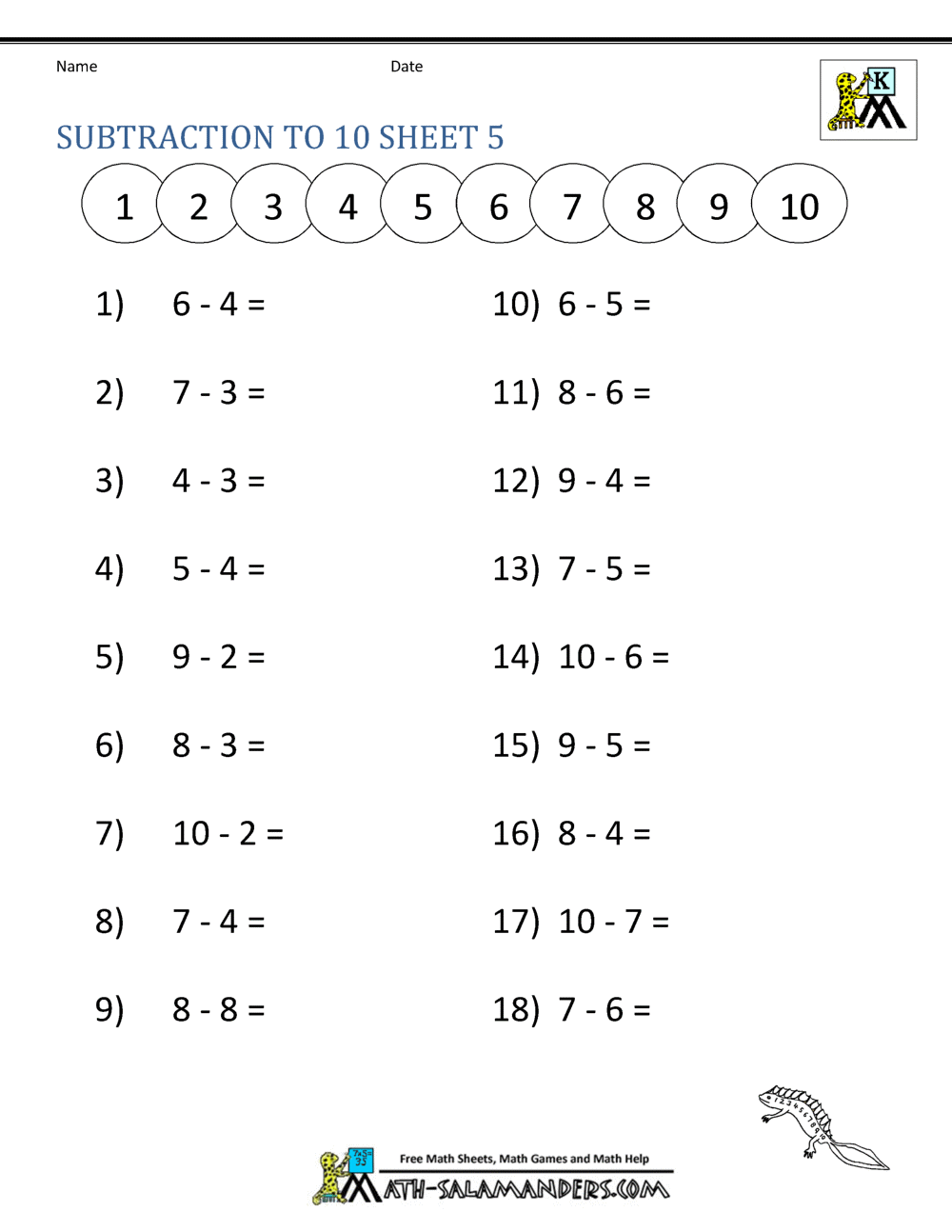
These worksheets focus on foundational skills, including addition, subtraction, multiplication, and division. They often include various levels of difficulty, allowing you to tailor them to your students’ needs.
2. Fractions and Decimals Worksheets
Worksheets in this category help students understand the relationship between fractions and decimals. They include exercises that require students to convert between the two, as well as operations involving both forms.
3. Geometry Worksheets
Geometry worksheets introduce concepts such as shapes, area, perimeter, and volume. They often feature visual aids, which can be particularly helpful for visual learners.
4. Problem-Solving and Word Problems
These worksheets challenge students to apply their mathematical knowledge to real-world situations. They encourage critical thinking and help students learn to break down complex problems into manageable steps.
5. Data Handling and Statistics
Worksheets that focus on data handling teach students how to collect, organize, and interpret data. Activities may include creating graphs or analyzing information presented in charts.
Best Practices for Using Worksheets
To maximize the effectiveness of Maths For 10 Year Olds Worksheets, consider the following strategies:
1. Assess Student Levels
Before assigning worksheets, assess your students’ current understanding of the material. This will help you choose appropriate worksheets that challenge them without causing frustration.
2. Integrate With Lesson Plans
Use worksheets as a supplement to your lesson plans. For instance, after teaching a particular concept, assign relevant worksheets for practice. This reinforces learning and allows students to apply what they’ve just learned.
3. Encourage Group Work
Incorporating group work can make worksheet activities more interactive. Students can collaborate to solve problems, share strategies, and learn from each other. This approach also fosters communication skills.
4. Provide Feedback
After students complete the worksheets, provide constructive feedback. This helps students understand their mistakes and learn from them. Consider reviewing answers as a class to facilitate discussion.
5. Offer Variety
To keep students engaged, rotate the types of worksheets you use. Varying the format and content helps maintain interest and can cater to different learning styles.
Where to Find Quality Worksheets
There are numerous online resources where you can download Maths For 10 Year Olds Worksheets. Look for reputable educational websites that offer free or low-cost printable resources. Some popular sites include:
- Education.com
- Teachers Pay Teachers
- Twinkl
- K5 Learning
Make sure to check the quality and appropriateness of the worksheets, ensuring they align with your curriculum goals.
Customizing Worksheets for Your Classroom
Sometimes, you may want to tailor worksheets specifically to your classroom’s needs. Here are a few tips for customization:
1. Adjust Difficulty Levels
Modify the complexity of the problems based on your students’ proficiency. This might involve simplifying questions or adding extra challenges for advanced learners.
2. Add Personal Touches
Incorporate themes or topics that resonate with your students’ interests. For example, if they enjoy sports, create word problems based on their favorite games.
3. Include Visuals
Adding images or diagrams can enhance understanding, especially for visual learners. Simple graphics related to the problems can make worksheets more appealing.
Effective Assessment Through Worksheets
Worksheets can also serve as assessment tools to gauge student understanding. By analyzing completed worksheets, you can identify areas where students excel or struggle. This information is invaluable for planning future lessons.
1. Track Progress
Regularly assign worksheets and keep track of students’ scores. This allows you to monitor their progress over time and adjust your teaching strategies accordingly.
2. Use as a Review Tool
Worksheets can be an excellent way to review before tests or assessments. They provide a low-pressure environment for students to practice and solidify their knowledge.
Encouraging Parental Involvement
Involving parents in their children’s learning can enhance the benefits of Maths For 10 Year Olds Worksheets. Encourage parents to review completed worksheets with their children at home, reinforcing concepts and fostering a supportive learning environment.
1. Provide Guidance
Offer parents tips on how to help their children with the worksheets. This could include discussing problem-solving strategies or helping with time management during assignments.
2. Share Resources
Send home links to quality worksheets that parents can print for additional practice. This empowers them to take an active role in their child’s education.