
When it comes to enhancing mathematical skills in children, particularly those around 12 years old, having the right resources is key. Maths sheets for 12 year olds are specifically designed to reinforce concepts and provide practice in a structured manner. These sheets stand out from other resources due to their targeted focus on the curriculum relevant to this age group, which often covers topics like fractions, decimals, percentages, and basic algebra.
Understanding the Layout and Design of Maths Sheets
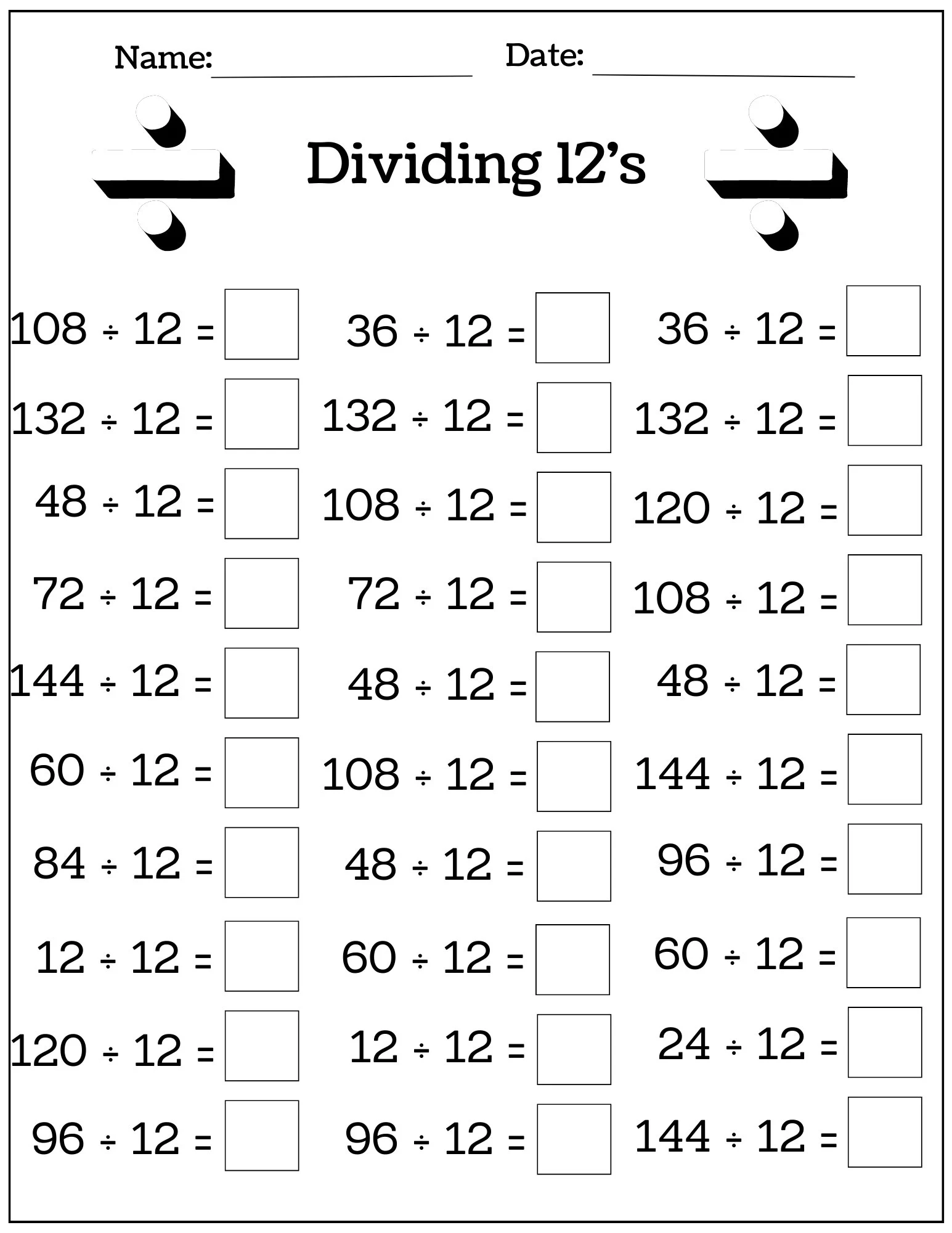
The layout of maths sheets for 12 year olds is crucial for keeping students engaged. Typically, these sheets feature a clean, organized format that allows easy navigation. Sections are often divided into clear headings, helping students understand which topics they are tackling.
For example, you might find a section on fractions that presents problems in increasing difficulty, starting with simple addition and subtraction before moving to more complex operations. This gradual progression not only builds confidence but also ensures that foundational skills are solidified.
Sections to Look For
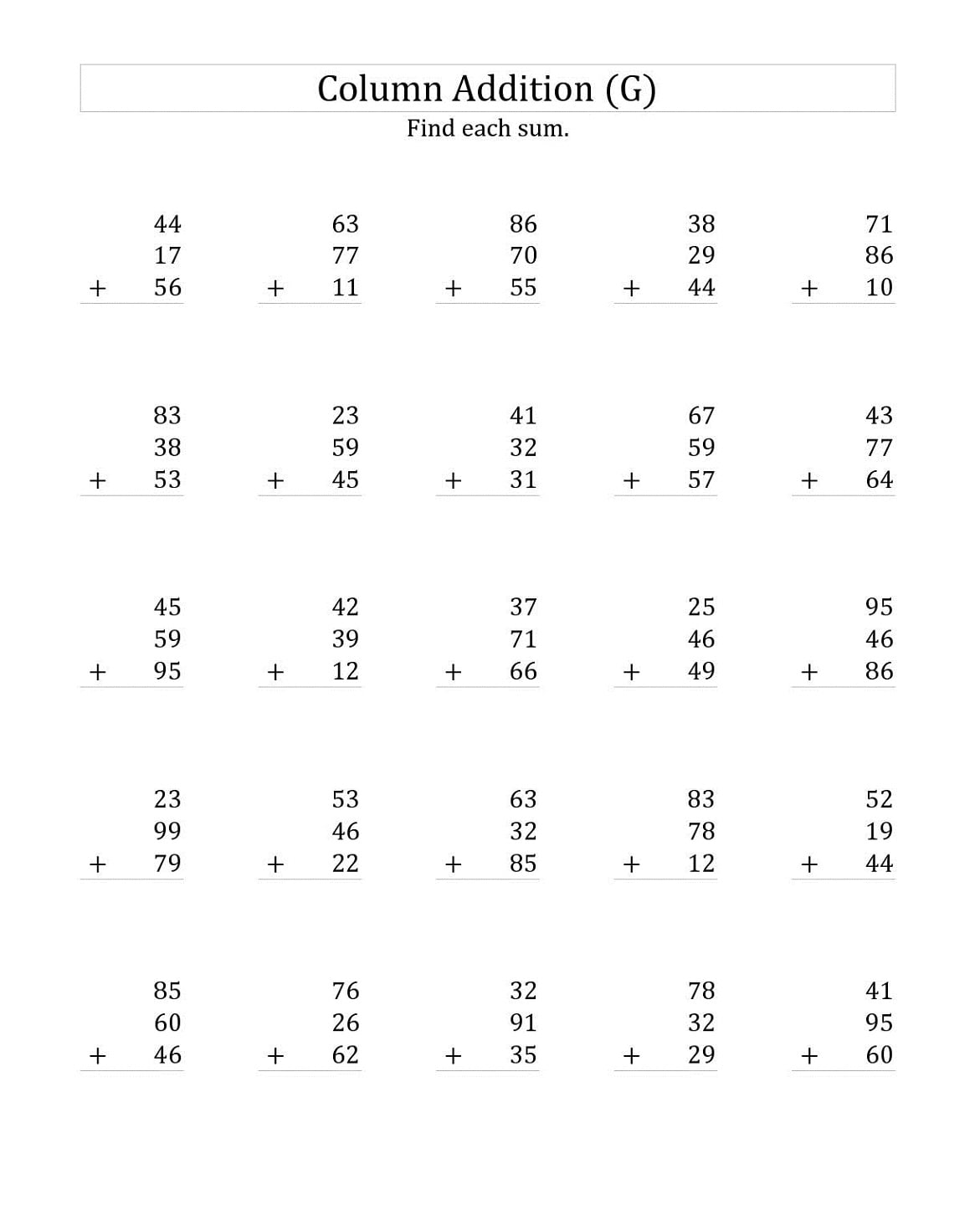
- Warm-Up Exercises: These are usually the first few questions that help students recall previous knowledge.
- Main Problems: This section includes a variety of problems, often with a mix of word problems and traditional equations.
- Challenge Questions: For students who grasp concepts quickly, these questions stretch their thinking and problem-solving abilities.
- Review Section: A quick recap of what was covered, often with space for notes or reflections.
The design choices—like the use of bullet points for instructions or highlighted keywords—help students focus on what’s important. If a child struggles with a particular concept, the layout allows them to easily identify and revisit those sections.
Types of Maths Concepts Covered
Maths sheets for 12 year olds typically cover a broad range of concepts aligned with the curriculum. Here are some common topics you can expect:
- Fractions and Decimals: Understanding how to convert between the two and perform operations with them is essential.
- Percentages: Real-world applications of percentages, such as discounts and tax calculations, are often included.
- Basic Algebra: Introducing the fundamentals of algebraic thinking, including solving simple equations.
- Geometry: Key concepts such as area, perimeter, and volume, which are critical in various real-life contexts.
By providing a mix of these topics, the sheets ensure comprehensive coverage, allowing students to practice and reinforce what they learn in class.
Practical Uses of Maths Sheets
These maths sheets can be utilized in various settings, making them incredibly versatile. Here are a couple of practical uses you might consider:
In the Classroom
Teachers can integrate these sheets into their lesson plans as a quick assessment tool or homework assignments. They allow for immediate feedback, as you can quickly gauge which topics students are comfortable with and which require further instruction.
At Home
For parents looking to support their children’s learning, these sheets are invaluable. They can be used for extra practice outside of school hours, ensuring that children stay sharp and confident in their skills.
You can also set aside time for family math nights, where parents and children work through the sheets together. This not only helps with understanding but also makes learning fun and interactive.
Downloading and Printing Maths Sheets
When it comes to downloading maths sheets for 12 year olds, look for PDF formats. PDFs maintain the layout and design, ensuring that printed versions look as intended. Here are a few tips for printing:
- Paper Size: Standard A4 or letter-sized paper works best for most home printers.
- Print Settings: Opt for portrait layout to maximize space and readability. Check the print preview to ensure nothing gets cut off.
- Quality: Use a good quality printer to make sure that any visual elements, such as graphs or diagrams, are clear and easy to read.
Lamination and Reusability
For those looking to maximize the value of their sheets, consider laminating them. This allows students to use dry-erase markers, making the sheets reusable. This approach is not only eco-friendly but also extends the life of your resources.
Engaging Activities With Maths Sheets
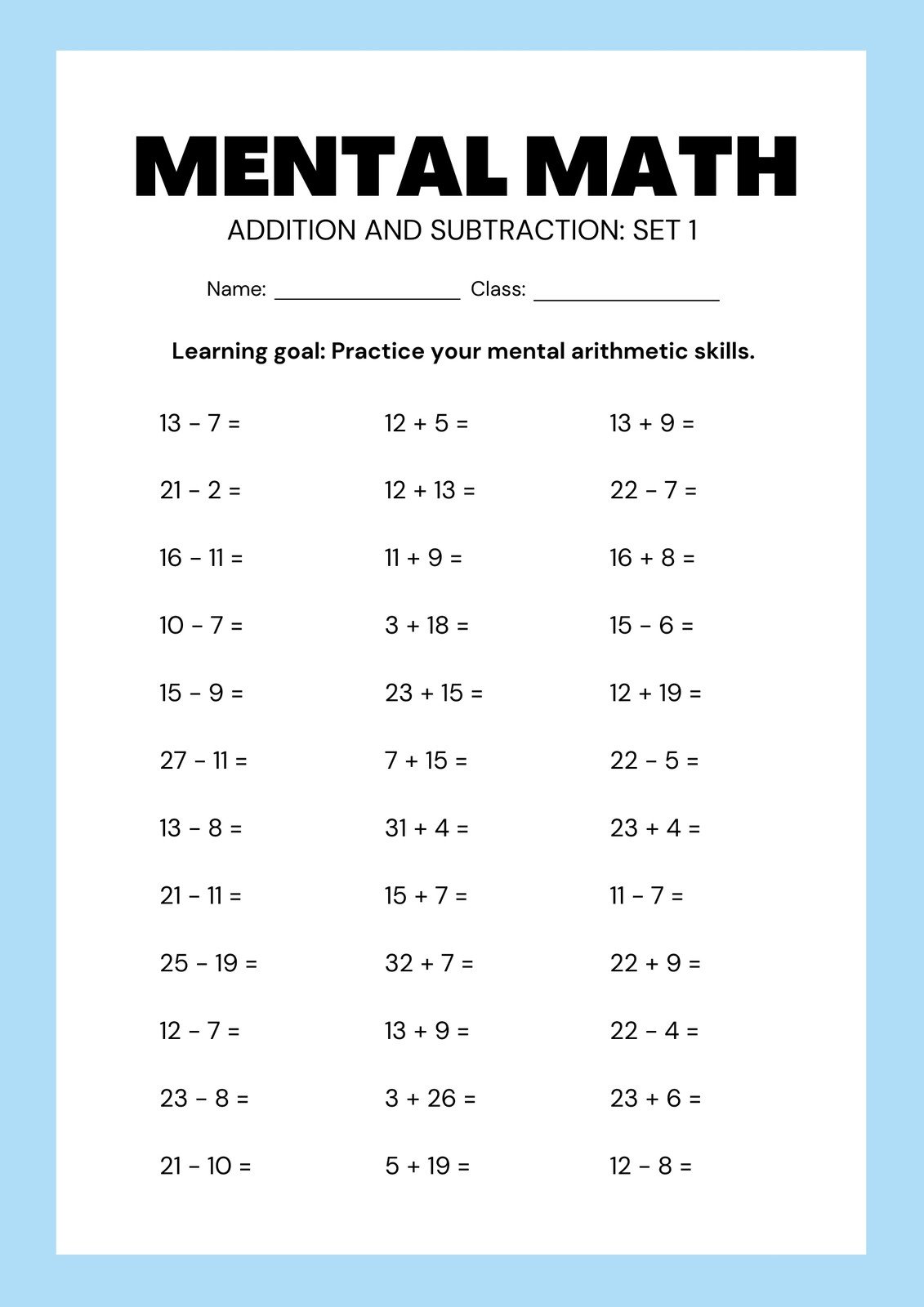
To make learning more engaging, consider integrating activities alongside the maths sheets. Here are a couple of ideas:
- Group Challenges: Divide students into teams and have them work together to solve problems. This fosters collaboration and discussion around different problem-solving strategies.
- Real-World Applications: Encourage students to find examples of maths in their daily lives, such as calculating discounts while shopping. This connection makes the learning more relevant and exciting.
By using these strategies, you can create a dynamic learning environment that keeps students interested and invested in their education.