
When looking for effective learning tools, Maths Worksheets For 9 Year Olds stand out for their ability to blend education with engagement. These worksheets are specifically tailored to meet the curriculum needs of nine-year-olds, focusing on key mathematical concepts while making learning enjoyable. You might have encountered other worksheets that feel too generic or lack the necessary excitement to motivate young learners. The right worksheets should be visually appealing, varied in format, and relevant to real-life scenarios, ensuring students not only learn but also retain the information.
Key Concepts Covered in Maths Worksheets
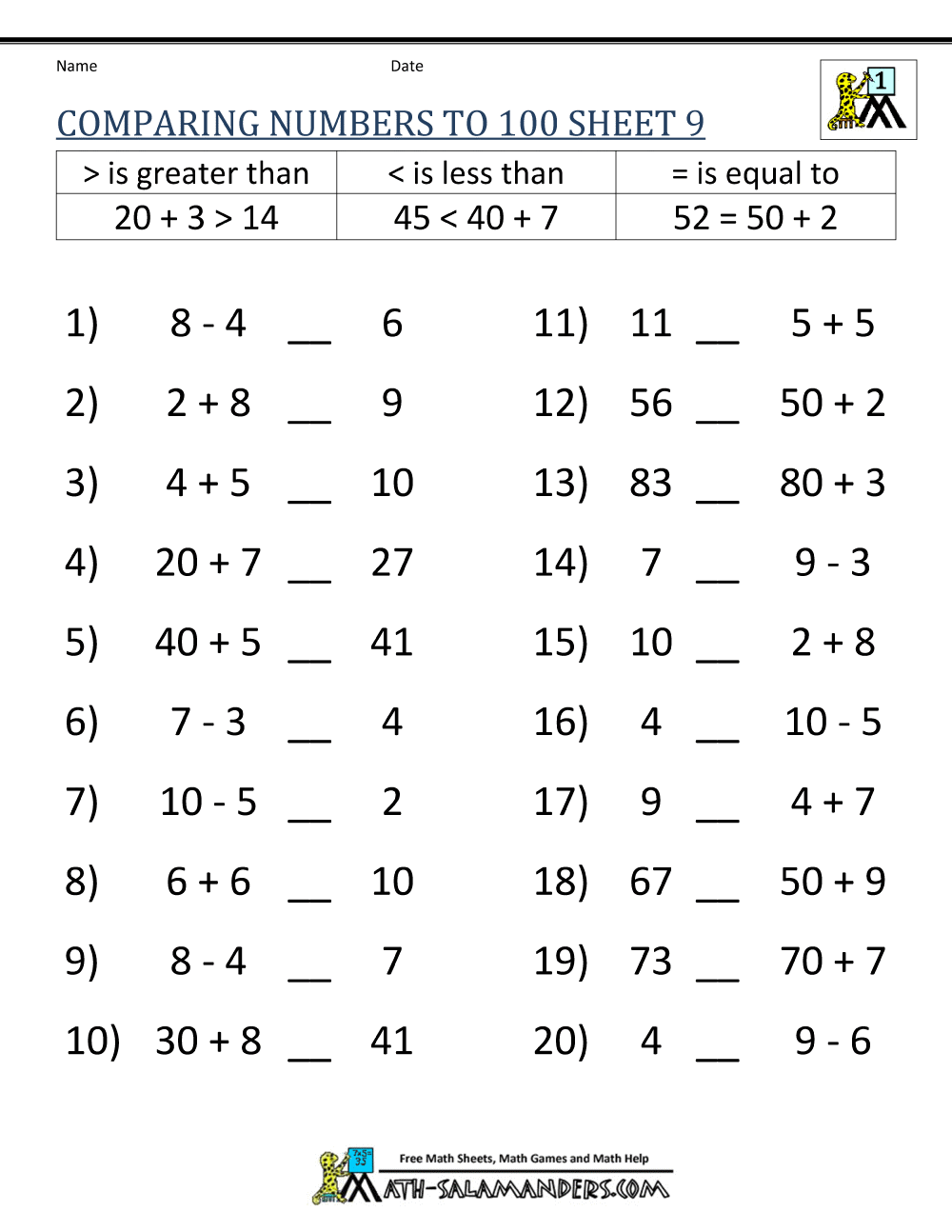
For nine-year-olds, the focus typically includes addition, subtraction, multiplication, division, fractions, and basic geometry. Each worksheet should emphasize these concepts through different types of exercises. This variety keeps students engaged and helps them understand how to apply math in everyday situations.
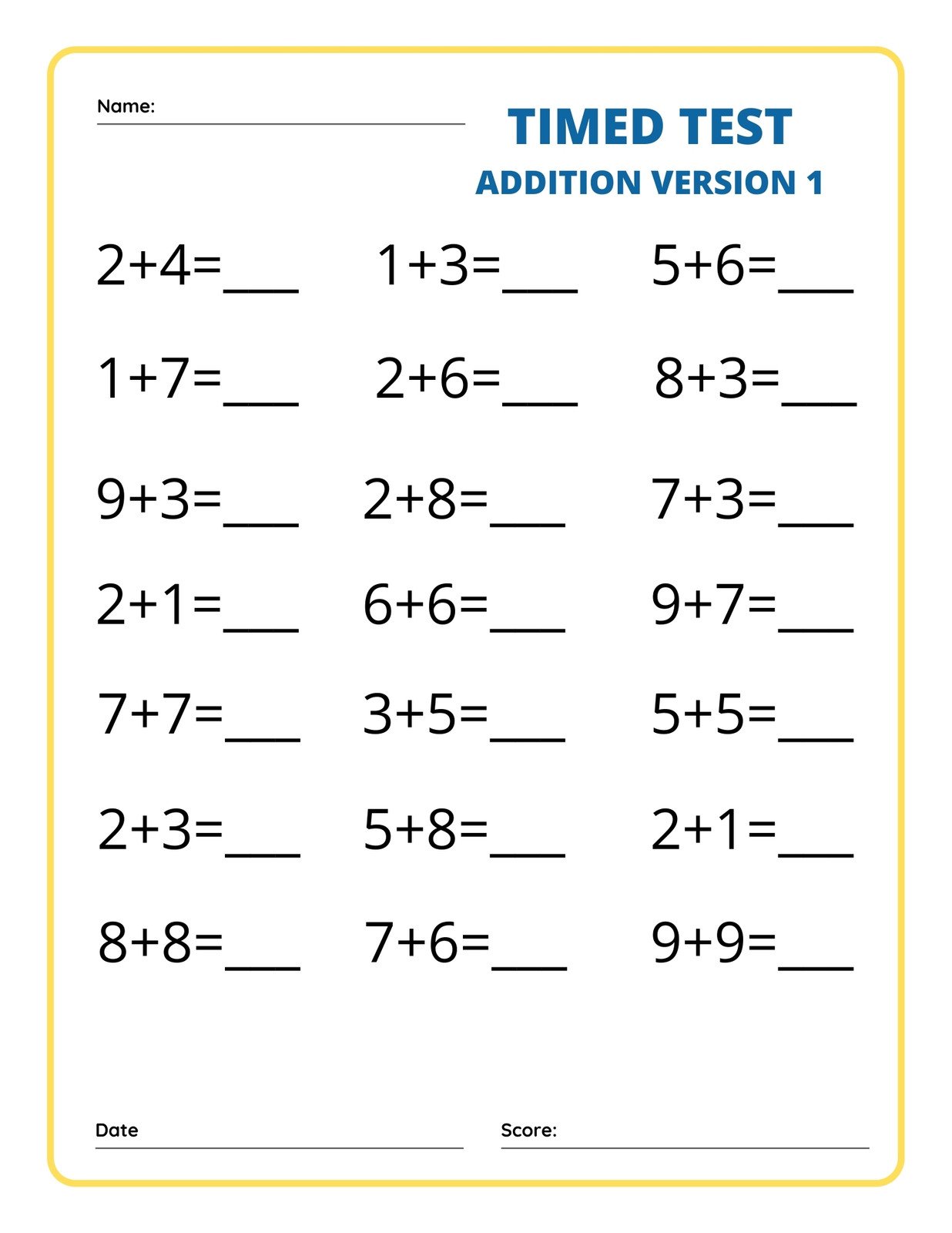
- Addition and Subtraction: Worksheets may feature word problems that require students to solve real-life scenarios, such as budgeting for a party or calculating distances.
- Multiplication and Division: These operations can be practiced through games and puzzles, making them less intimidating. For example, a worksheet might include a grid where students fill in products or quotients.
- Fractions: Worksheets often include visual aids, such as pie charts or bar models, allowing students to see how fractions make up a whole.
- Geometry: Engaging tasks may involve drawing shapes, identifying angles, or even creating simple patterns with geometric figures.
Format and Layout of Worksheets
The layout of Maths Worksheets For 9 Year Olds plays a crucial role in their effectiveness. A well-structured worksheet should include clear instructions and a variety of question types to cater to different learning styles. Here are some features to look out for:
- Clear Headings: Each section should have clear titles that indicate the type of math being practiced. This helps students quickly navigate to the area they need to focus on.
- Varied Question Types: Incorporate multiple-choice questions, fill-in-the-blanks, and open-ended problems to engage students in different ways.
- Visual Elements: Graphics, colors, and illustrations can make worksheets more appealing. For example, using playful fonts for titles or including fun images related to math can capture a child’s interest.
- Answer Spaces: Ensure there is enough space provided for students to write their answers neatly. This can help reduce frustration and encourage neatness in their work.
Using Maths Worksheets at Home and in Class
Incorporating Maths Worksheets For 9 Year Olds into both classroom activities and home learning can greatly enhance a child’s understanding of math. Here are some practical ways to use these resources effectively:
- In-Class Activities: Use worksheets during math centers or as part of a group activity. This allows for collaborative learning where students can discuss their thought processes and solutions.
- Homework Assignments: Assigning a worksheet as homework can reinforce the day’s lessons. Ensure that students have the tools they need to complete them, such as calculators or rulers, if applicable.
- Assessment Tools: Use these worksheets to assess students’ understanding of topics. You can identify areas where they excel or need additional support.
- At-Home Practice: Encourage parents to use these worksheets at home. This not only reinforces what children learn in school but also allows parents to be involved in their child’s education.
Creating Customised Maths Worksheets
While many ready-made Maths Worksheets For 9 Year Olds are available, creating custom worksheets can cater specifically to the needs of your students. Here are some tips for crafting your own:
- Identify Learning Objectives: Before creating a worksheet, determine what specific skills you want to focus on. This could be a particular operation or a concept like time or money.
- Incorporate Real-World Scenarios: Make problems relatable. For example, if you’re teaching fractions, consider scenarios like sharing pizza or dividing a cake.
- Use Online Tools: Several websites and apps allow you to create customized worksheets. These tools often come with templates that make the process easier and quicker.
- Include a Variety of Difficulty Levels: To accommodate different learning speeds, include easy, medium, and challenging questions in the same worksheet. This allows all students to feel successful.
The Importance of Feedback and Review
Once students complete their worksheets, providing feedback is essential for their growth. This can be done in several ways:
- Review Together: Go over the answers as a class. This not only helps correct misconceptions but also encourages students to ask questions and engage in discussions.
- Peer Review: Allow students to swap worksheets and check each other’s work. This can promote collaboration and critical thinking.
- Provide Constructive Feedback: When reviewing, focus on what was done well and what can be improved. This balanced approach can motivate students and boost their confidence.
Incorporating Maths Worksheets For 9 Year Olds into your teaching strategy can make a significant difference in students’ learning experiences. The key is to ensure that these worksheets are engaging, well-structured, and tailored to meet their developmental needs. Consider using a mix of ready-made and customized worksheets to keep things fresh and relevant. Whether in the classroom or at home, these resources are invaluable tools for nurturing a strong foundation in mathematics.